
One year later: How Los Angeles is rebuilding after the fires
Following the devastating Los Angeles wildfires of 2025, general contractor C.W. Driver Companies never stopped working.
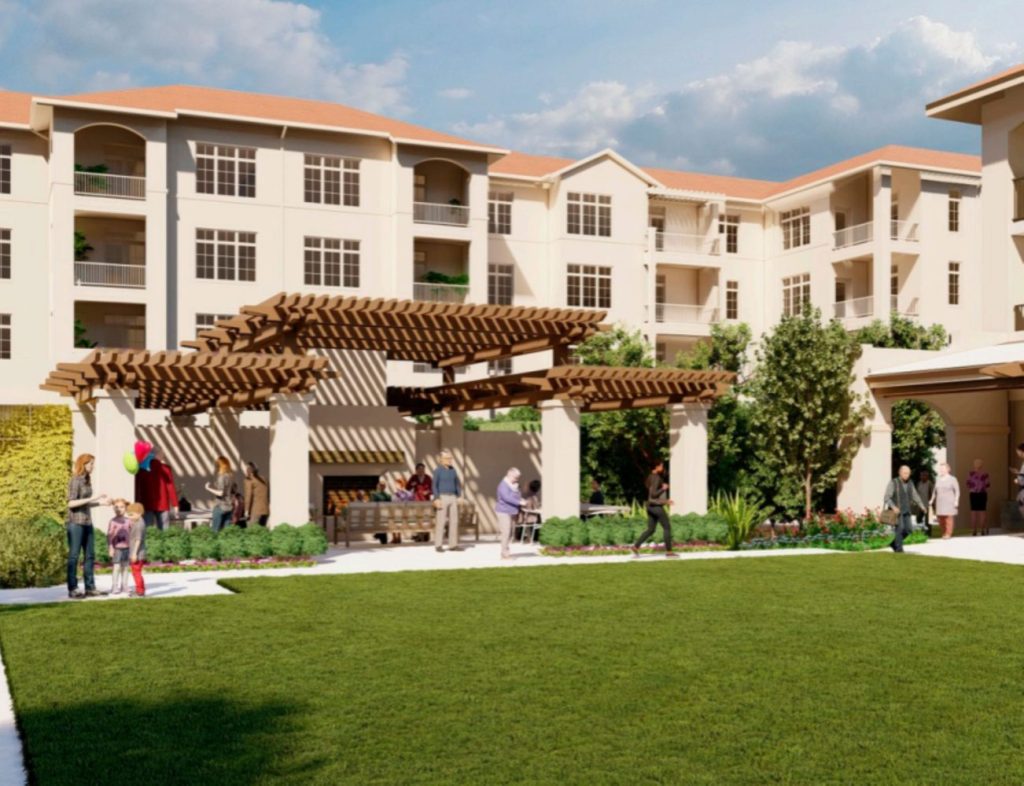
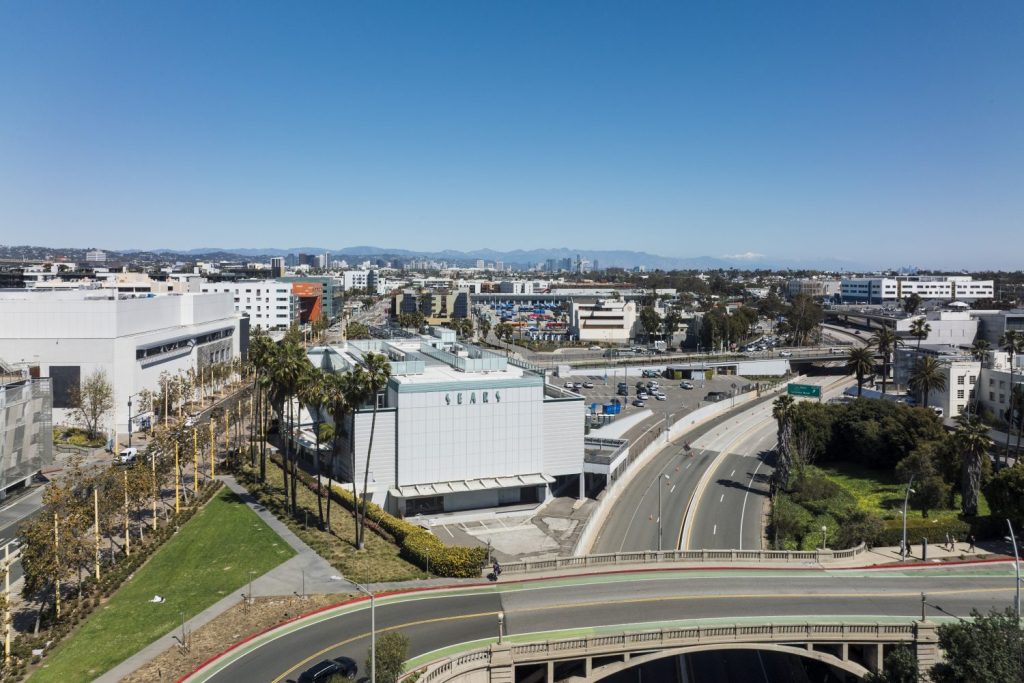
Project executive Jamie Macartney and project manager Megan Morrissey discuss how the firm mobilized to create the temporary Palisades Charter High School campus (Pali High South) in 25 days and persevered after the Eaton Fire by continuing construction on the MonteCedro Senior Living facility in Altadena.
What lessons from the 2025 Los Angeles wildfires are being incorporated into the rebuilding of both the Palisades Charter temporary campus and the MonteCedro Senior Living project?
JAMIE: While we’ve always known that Southern California is prone to wildfires, the fires that took place last year have changed the landscape for how we now approach safety for all projects.
During the development of the temporary campus for Palisades Charter High School, we learned how to create a safe learning environment for students through an adaptive reuse project. While Pali High South was on a four-week timeline, we incorporated and modernized core fire-protection infrastructure, including fire alarms, sprinklers, and exit signage.
How did C.W. Driver manage logistics, permitting, and contractor coordination for the temporary campus project?
JAMIE: There was a strong sense of urgency to ensure students had a place to learn in person. To meet an aggressive timeline, we implemented a parallel construction approach in which design, permitting, and construction occurred simultaneously rather than sequentially.
In an urban environment like Santa Monica, logistics presented unique challenges including limited staging areas, restricted delivery windows, and strict noise ordinances. We leveraged our deep network of subcontractors who had extensive experience in similar urban settings and understood how to navigate these constraints.
For the MonteCedro Senior Living Phase II villas, what are the engineering or structural considerations when building multi-story units over a below-grade parking garage and exposed auditorium space?
MEGAN: Essentially, the project is a podium and subterranean structure with a hole (the auditorium space) that interrupts the classic design of a conventional structural box. Notable considerations for constructing buildings like the MonteCedro Senior Living Phase II villas include:
- Incorporating a strong gravity system and load path. Includes materials like transfer girders, transfer slabs, or a podium “table” that would be able to help align with garage column grids.
- Protecting the auditorium space. Footfall and mechanical vibration from the villas can be transmitted to the auditorium. To protect the space, C.W. Driver Cos. is incorporating floating floor assemblies and stiffer framing to reduce the chance of higher vibrations.
- Waterproofing. This important step can be executed through a layered system starting with properly sloped, crack-controlled structural slab and continues with a waterproof membrane. Above the membrane, protection board, drainage layers, and insulation are installed in a way that quickly removes water and prevents damage.
What lessons from the past year’s fires are influencing how schools, senior living facilities, and other vulnerable buildings are designed in fire-prone areas?
JAMIE: There are several key learnings being implemented into schools, senior living facilities and other vulnerable structures, including:
- Ensure close collaboration with all key project team members, including subcontractors, the architect, suppliers and city authorities, to streamline approvals and ensure all safety needs are met and easily align on design goals.
- Balance speed and sustainability by optimizing building systems, minimizing material waste, and avoiding short-term solutions that create long-term risk or inefficiency.
- Carefully consider the needs of the population the projects serve. For senior living centers, ensuring projects have enough backup power, and HVAC systems that allow for breathable environments even amid natural disasters.
In what ways has the wildfire experience changed the way architects, engineers, and builders plan for emergency preparedness in urban settings?
MEGAN: Now that a significant part of Los Angeles has been scathed by wildfires, fire planning is now one of the first components we consider when building a project. While fires have always been a concern, components like materiality, breathability, clear wayfinding, and other factors in emergency scenarios are now front-runners when we build a project.
Read more about the two projects here.
Sign up for our weekly newsletter
Architectural materials and methods delivered right to your inbox

- CSI News & Notes: CSI’s impact earns official recognition; celebrate leaders, mentors, and innovators; and more
- CSI News and Notes: CSI spring certification exams open; scholarships available; and more
- CSI News & Notes: CSI MSR heading to San Diego; spring certification exams open; and more
- To Be Specific: Why CDT Should Be Your First Move
- CSI News & Notes: CSI Fellows share member benefits; and a New Year’s Resolution to keep
Popular Articles
-
1
-
2
-
3
-
4
-
5
Read the Latest Issue