
Designing for circularity: Why roofing material selection matters
A roof is more than a building’s first line of defense against the elements. It is a long-term investment that can influence energy consumption, maintenance requirements, and the resources needed over the life of a building. As the construction industry places greater emphasis on sustainability and circularity, roofing material selection has become an increasingly important part of the conversation.
Circular design challenges the traditional approach of making, using, and ultimately discarding building materials. Instead, it considers how products can deliver lasting value, minimize resource consumption, and remain useful at the end of their service life. For roofing, this means looking beyond upfront cost or a single environmental attribute to understand how a material performs throughout its lifecycle.
Planning for the ending
Circular design begins during the specification process. Evaluating a roofing system’s long-term value involves several factors, including durability, energy performance, fire and weather resistance, maintenance requirements, and end-of-life recovery options.
According to the Coated Fabrics and Film Association’s Vinyl Roofing Division (CFFA VRD), PVC (vinyl) roofing offers multiple attributes that can support a more circular approach to commercial roofing, including long-term performance, repairability, and opportunities for material recovery.
Start with the complete lifecycle
A roofing system’s environmental footprint extends beyond its initial manufacturing. Transportation and installation, energy use during building operation, maintenance and repairs, replacement frequency, and end-of-life management all contribute to its overall impact.
A material with a relatively low initial environmental footprint may require more frequent replacement or maintenance, increasing cumulative resource consumption over time. Conversely, a durable material that performs reliably for decades can help reduce demand for replacement materials, transportation, and labor.
Evaluating the complete lifecycle helps project teams understand these trade-offs. Key questions include:
- How well will the roofing system withstand local environmental conditions?
- Can it contribute to a building’s energy efficiency?
- How easily can it be inspected, maintained, and repaired?
- Can its materials be recovered or recycled when reroofing becomes necessary?
Considering these questions early helps ensure that material selection reflects the building’s expected service life and long-term performance requirements.
Durability
Durability is a fundamental component of circular design. PVC roofing membranes have a long history of use on commercial buildings across a range of climates. Manufactured from a flexible, water-resistant polymer and reinforced with fiberglass mats or polyester scrims, these membranes are designed to accommodate normal building movement and thermal cycling while withstanding a range of temperatures and weather conditions.
Their heat-welded seams create durable, watertight bonds without relying on separate seam adhesives, tapes, or caulks. PVC membranes can also be repaired easily, helping extend their useful service life when properly maintained.
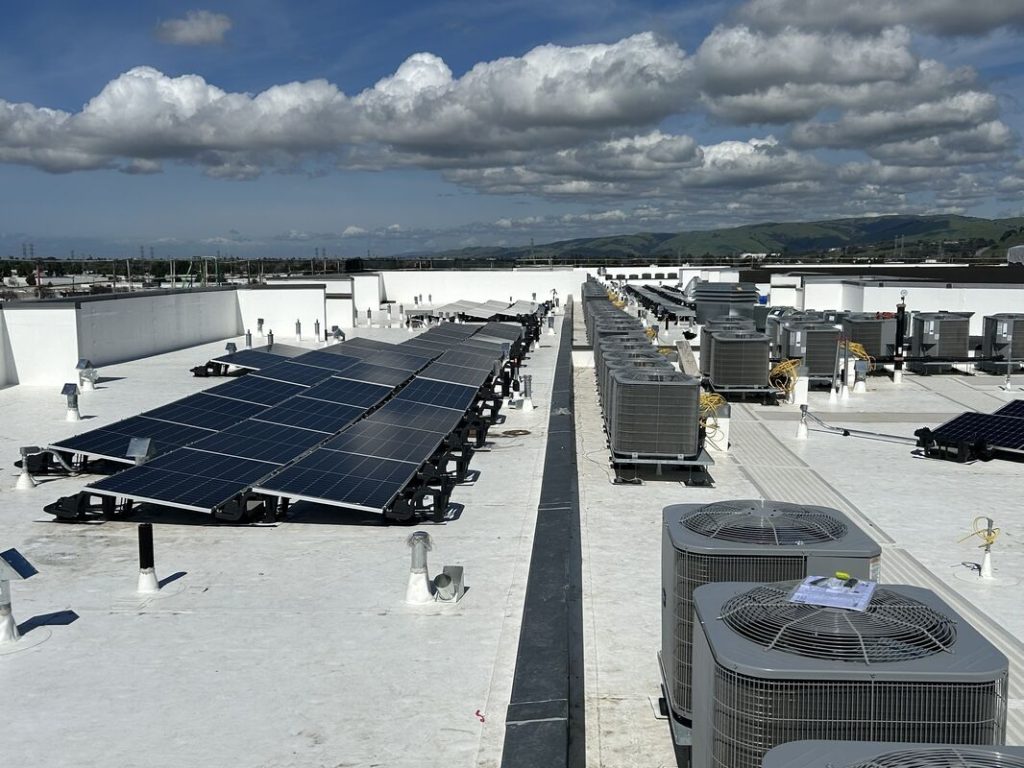
PVC membranes have inherent fire-resistant properties and can meet applicable fire-performance requirements when incorporated into a properly designed and tested roof assembly. Their performance in a specific application depends on the membrane, the complete roofing system, and the applicable building code requirements. These considerations are particularly important for buildings with rooftop equipment or solar installations, where the roofing system must be evaluated for compatibility with the intended application.
PVC roofing systems can also be designed and tested to meet project-specific wind uplift requirements, including those associated with severe weather. The roof of NOAA’s National Hurricane Center in Miami, for example, uses a PVC membrane, demonstrating the material’s application in a demanding weather environment.
Long-term energy performance
A roof can significantly influence a building’s energy use. Its color, solar reflectance, and thermal emittance affect how much solar energy is absorbed and how much heat is transferred into the building.
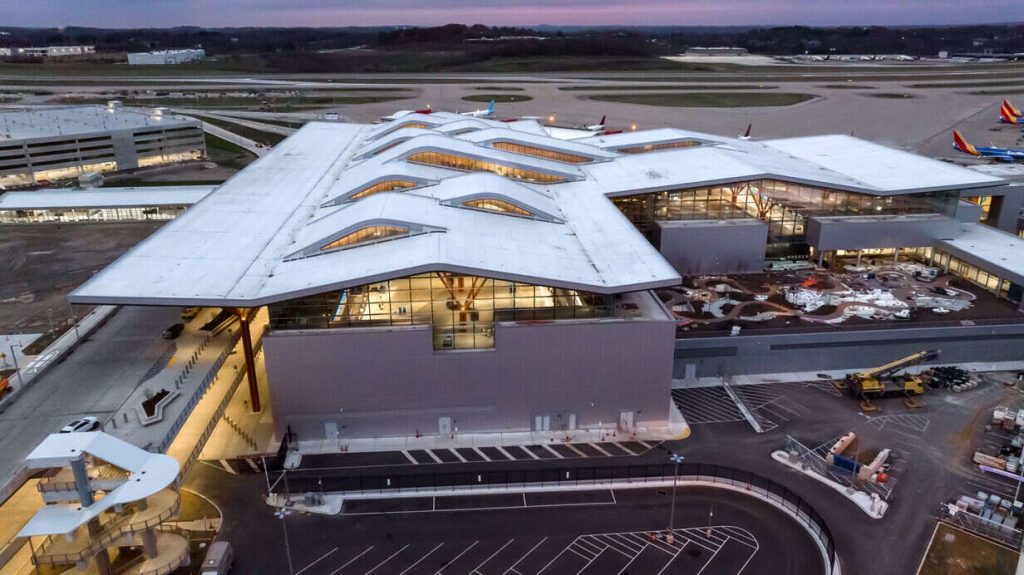
Light-colored roofing generally reflects more solar radiation than darker surfaces, helping limit roof surface temperatures and reduce heat transfer into the building. According to the CFFA VRD, white PVC commercial roofing can reflect 80% or more of incoming solar radiation and emit at least 70% of the solar radiation absorbed by the roof. These properties can help reduce cooling loads and peak electricity demand under appropriate conditions.
The potential benefits can extend beyond an individual building. By limiting heat absorption, reflective roofing can help reduce heat buildup in developed areas and contribute to efforts to mitigate the urban heat island effect.
Actual energy savings depend on factors such as climate, insulation levels, air leakage, HVAC efficiency, building occupancy and use. In colder climates, reflective roofing may also influence winter heating demand. Evaluating these trade-offs in the context of a building’s location and operating profile provides a more complete picture of potential energy performance.
End-of-life payoff
Circular design does not end when a roof reaches the end of its original service life. Instead, a circular approach looks for opportunities to recover and reuse resources wherever practical.
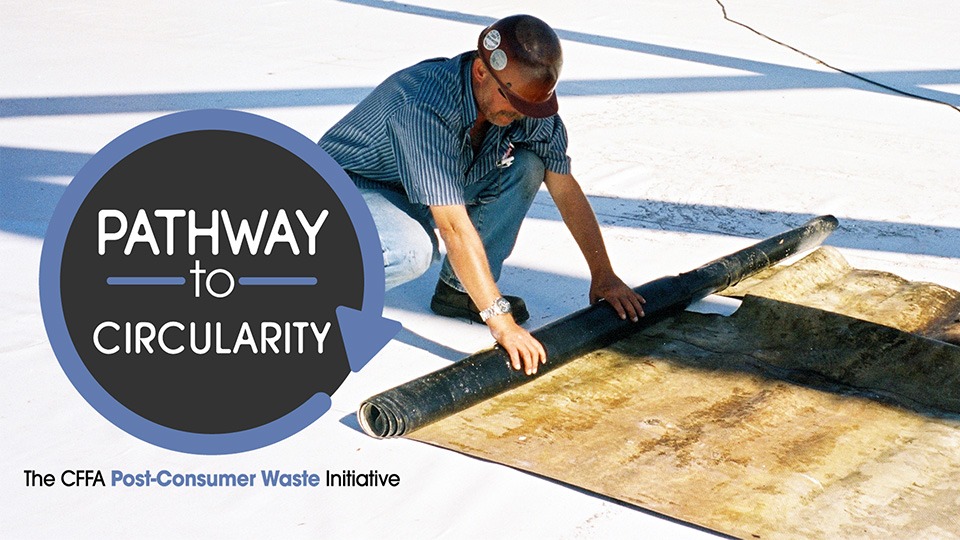
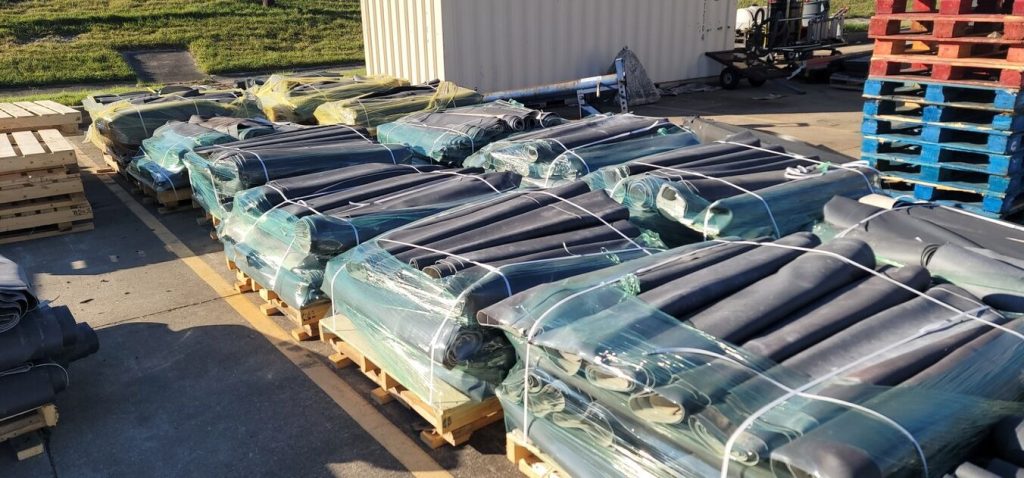
PVC roofing membranes can be mechanically separated from other roof components through a process commonly called skinning. Depending on the existing roof assembly and site conditions, recovered membrane material can then be transported to an appropriate recycling facility. Recycled PVC may be used as feedstock for new roofing membranes or incorporated into other products, including roof walkway pads, commercial-grade flooring, and concrete expansion joints, depending on material specifications and available processing capabilities.
These pathways can help conserve resources and reduce the amount of roofing material sent to landfills. They can also support building owners’ sustainability objectives and contribute to environmental reporting and green building strategies where applicable.
This is why end-of-life planning is critical at the time of initial specification. Documenting roof components, considering future separation requirements, and identifying available recycling pathways during specification can help facilitate recovery when reroofing becomes necessary. Maintenance and reroofing records can also inform future recovery decisions.
Industry initiatives, such as the CFFA VRD’s Pathway to Circularity, seek to advance post-consumer recycling of mechanically fastened and induction-welded PVC roofing. By encouraging participation from manufacturers, roofing contractors, architects, and building owners, these efforts aim to make membrane recovery more accessible and cost-effective.
Recovering materials for recycling may also offer economic benefits. Avoided landfill fees and the value of recovered material can help offset some of the costs associated with separating, transporting, and processing PVC roofing. The actual financial impact depends on project conditions, transportation distances, material quality, and the availability of recycling options.
Ultimately, recycling is one part of a broader circular design strategy. Extending a roof’s useful service life, minimizing unnecessary repairs, and selecting a system designed for reliable performance are important first steps. Planning for material recovery from the outset helps ensure that end-of-life considerations are part of the decision-making process, rather than an afterthought.
A more complete view of roofing value
Designing for circularity means evaluating roofing materials for the value they deliver over time, from installation and operation through end-of-life recovery. By considering these factors during specification, building owners and design professionals can make informed choices that align long-term building performance with sustainability objectives.
As recycling infrastructure and industry initiatives evolve, early planning can help position roofing systems for reliable service and more responsible end-of-life management.
“Sponsored” material is supplied by the sponsor. The publisher cannot assume responsibility for any errors of relevance, fact or omission. Hosting sponsored material does not constitute endorsement of the sponsor.