
From cavernous to curvaceous: Concert hall reinvented
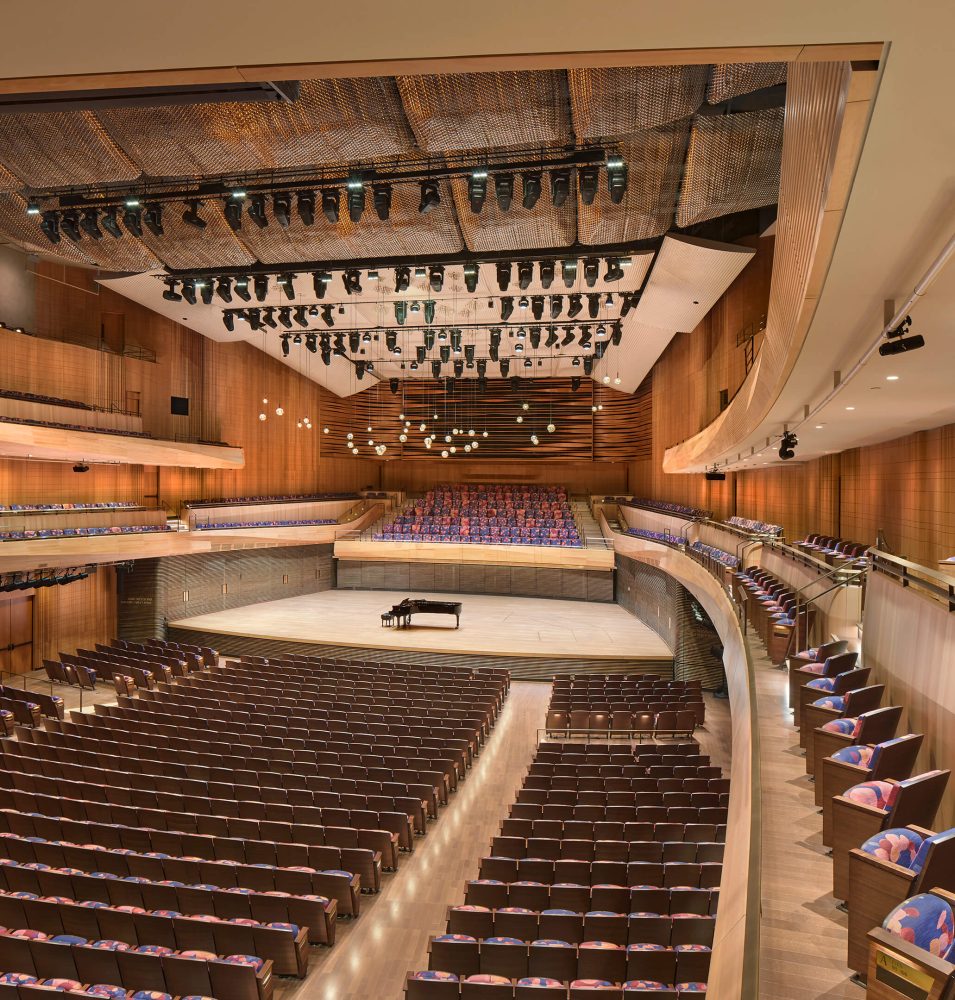
Designed originally by Max Abramovitz in 1962, the David Geffen Hall, home to New York’s Philharmonic, at Lincoln Center, has gone under multiple renovations over the decades. These efforts have attempted to address the acoustical challenges that remained unresolved.
The reimagination project reconceives the entire facility within its existing historic shell to create a more welcoming, intimate audience experience, featuring state-of-the-art acoustics and technical capabilities. With a new concert hall as the building’s centerpiece, all public spaces are also being reconceptualized to provide greater opportunities for people to gather and more intuitive circulation throughout its public and back-of-house facilities.
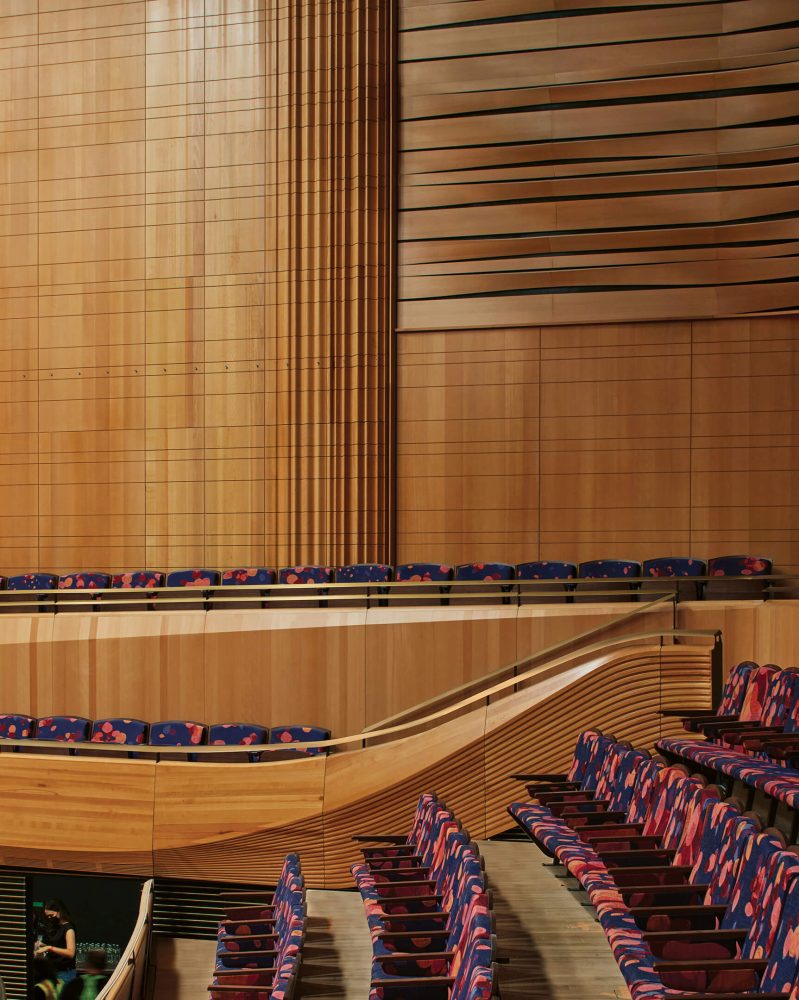
The design transforms the existing concert hall from a cavernous rectilinear shoebox into a curvilinear unified room with acoustics and optimized sightlines. By relocating the stage forward by 7.6 m (25 ft) and eliminating the proscenium, the seating wraps around the stage, bringing the entire audience closer to the performers.
The new hall is a flexible space that is readily adaptable to a range of stage and seating configurations supported by state-of-the-art infrastructure. In addition to a highly versatile performance space, the new hall also features updated back-of-house facilities to accommodate the wide-ranging needs of performers and production teams.
Sign up for our weekly newsletter
Architectural materials and methods delivered right to your inbox

- CSI News and Notes: CSI Foundation’s construction camp; CSI spring exam; and more
- CSI News and Notes: CSI’s credentials; CSI conference theme; and more
- To be specific – CSI supports young AECO professionals
- CSI News and Notes: CSI’s foundation scholarships, national conference, and Crosswalk
- CSI News and Notes: AI’s impact; CSI 2024 conference, and more
Popular Articles
-
1
-
2
-
3
-
4
-
5
Read the Latest Issue