Embracing high-performance materials for sustainable building envelopes
In the world of specifications and architecture, what cannot be seen can make all the difference.
The importance of high-performance building envelopes has never been greater, and at their core lies the critical role of air barrier systems. Once an afterthought, air barriers are now essential in ensuring energy efficiency, moisture management, and occupant comfort in metal structures. As architects and builders push the boundaries of design with sleek metal panels, intricate facades, and expansive curtain walls, how air barrier systems integrate with metal construction is vital. This article explores the latest innovations, challenges, and best practices in crafting airtight, resilient metal architecture that stands out visually and excels in performance.
Why air barriers matter
Every building breathes, regardless of intent or design. Without proper control, unintended air leakage can compromise insulation, increase energy bills, introduce moisture problems, and even damage a building’s structural integrity over time. Some key risks associated with air barrier systems and metal-based construction are thermal bridging, moisture entrapment with condensation, and structural movement.
Since metal is highly conductive, heat can pass through the components, reducing the effectiveness of the installed insulation and air barrier system. This will cause excessive moisture buildup and induce corrosion, mold growth, and deterioration of insulation or sheathing. Structural movement caused by thermal expansion can potentially stress joints and seams, so it is important to integrate an air barrier system to prevent airtightness loss.
From the hot, humid southern states to the dry, frigid north, air barrier systems are tailored to tackle the environmental challenges of different regions head-on.
Building science has evolved; so have the materials used to manage airflow. Today’s construction professionals have a toolkit of innovative options.
Fluid-applied barriers
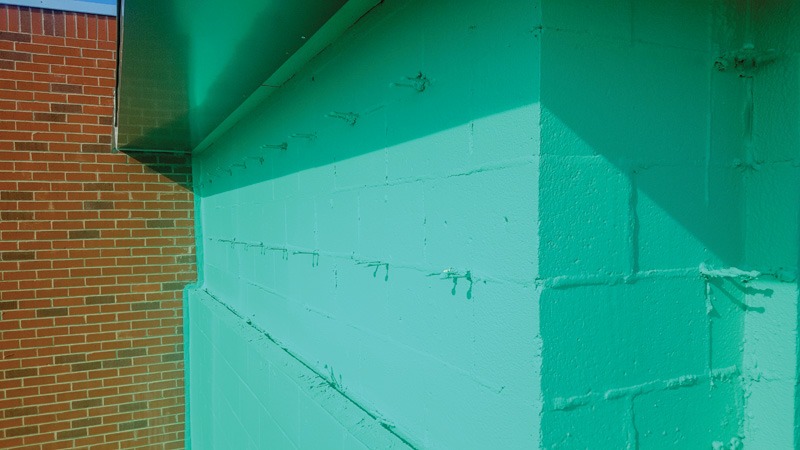
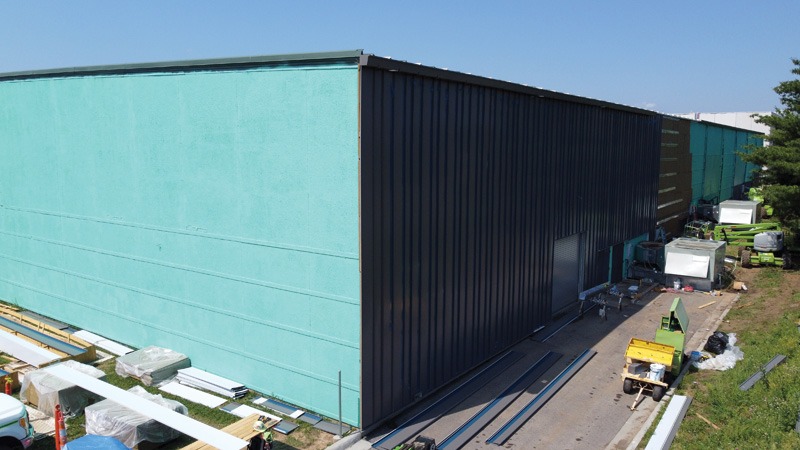
These liquid membranes are ideal for complex architectural details. Once cured, they form a seamless barrier that blocks air infiltration. The barrier then serves as a primary control layer, typically made of elastomeric coatings such as silyl-terminated polyether (STPE), acrylic, or silicone-based formulations. Since fluid-applied barriers are installed on substrates compatible with metal-framed curtain walls, application can often be coordinated with curtain wall installation and other enclosure activities, improving construction efficiency while helping maintain continuity of the air-barrier system.
Self-adhered membranes
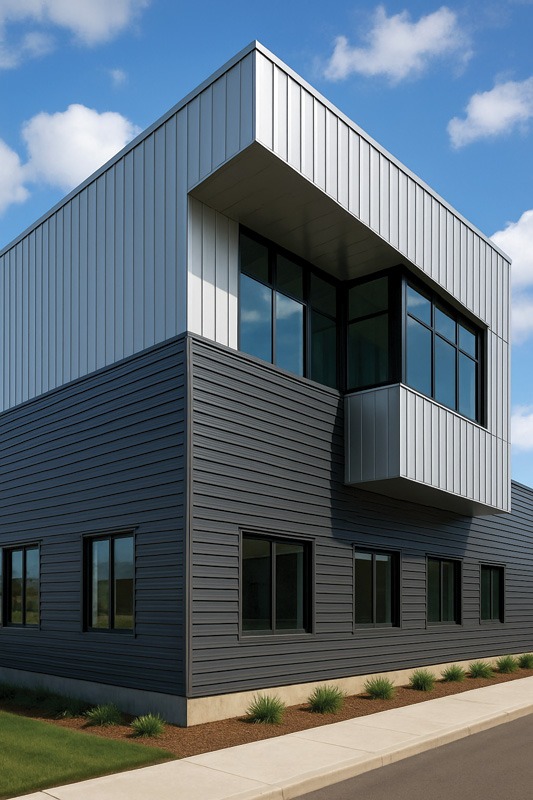
In metal building design, where precise detailing and durable performance are critical, these systems offer controlled thickness and consistent installation over rigid substrates. Self-adhered membranes typically comprise modified bituminous sheets with polyethylene, rubberized asphalt with reinforcement layers, or non-bituminous, polymer-based membranes.
Spray foam insulation
Some formulas now include integrated air barrier agents, offering a powerful all-in-one insulation and air-sealing solution. Spray polyurethane foam (SPF) is typically applied directly onto the interior surfaces of metal walls and roofs and is a liquid that rapidly expands and cures into a rigid foam. Closed-cell SPF is often used in metal buildings due to its superior thermal resistance and structural rigidity. The foam adheres tightly to metal substrates, conforming to irregular surfaces and filling voids, enhancing thermal and air barrier integrity.
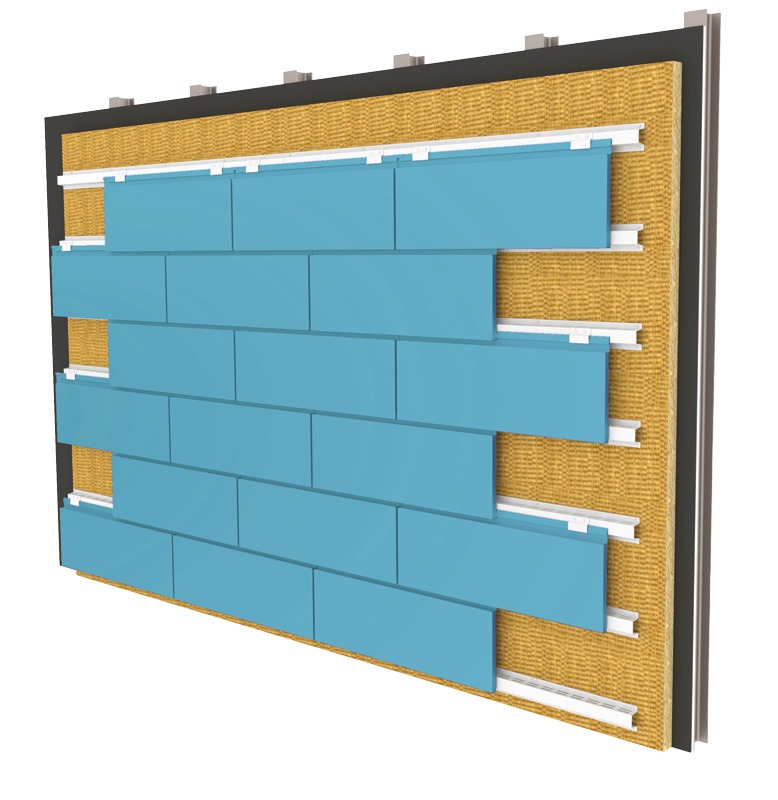
Increasingly, air-barrier systems are multifunctional, designed to control airflow while also providing water resistance, thermal insulation, and, in some assemblies, fire resistance. By combining multiple enclosure functions into fewer products and installation operations, these systems can reduce material waste, simplify installation, and potentially lower labor requirements.
Building green from the inside out
Sustainability is no longer just a buzzword—it is a mandate. Air barriers have become key players in meeting green building standards and reducing carbon emissions.
Energy efficiency
Properly installed air barriers lower heating and cooling demands. The Home Energy Rating System (HERS) index is often used to measure this, with lower scores reflecting greater efficiency.
Eco-friendly ingredients
Many manufacturers now use renewable and recycled materials, such as soy-based polymers and reclaimed plastics, to create breathable, biodegradable barriers.
Healthier spaces
Products with low volatile organic compound (VOC) emissions improve indoor air quality (IAQ) and align with green certification programs.
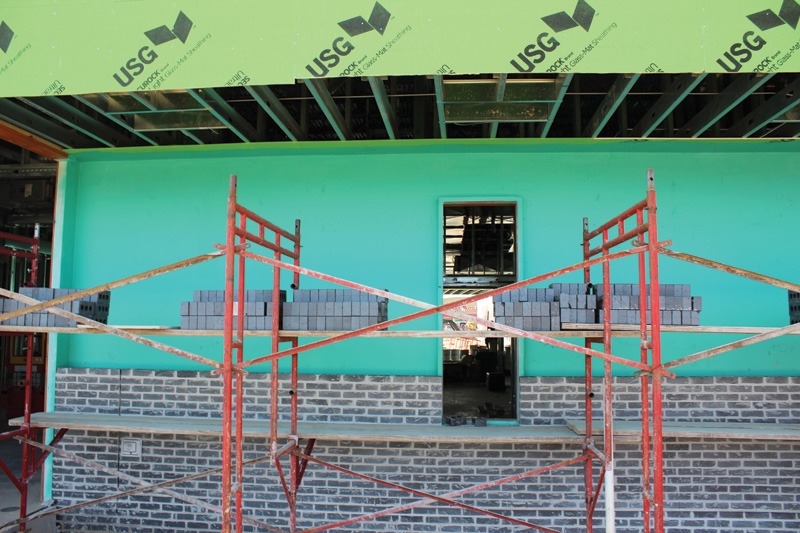
Smart systems for moisture management
Not all air barriers are created equal. “Breathable” or vapor-permeable barriers are essential in moisture-prone climates or sensitive construction zones. These systems allow moisture vapor to pass through while preventing air leakage, reducing the risk of mold, rot, and poor insulation performance.
Moisture management is critically important for metal architectural features, which are highly susceptible to corrosion, condensation damage, and structural degradation if not properly protected. Design experts are leveraging advanced technologies and digital tools to optimize the performance, integration, and longevity of air barrier systems.
For example, wireless sensors powered by the Internet of Things (IoT) are embedded in building envelopes to monitor moisture, humidity, and temperature in real time. These smart systems, often integrated with building management systems (BMS), can alert facility managers to potential issues before they cause costly damage, bringing predictive maintenance to a whole new level. More specifically, real-time environmental monitoring includes detecting dew-point formations associated with condensation risks and pressure differentials to evaluate envelope tightness and air leakage.
BMS allow building managers to track air barrier performance over time through cloud-based dashboards that integrate anomaly detection algorithms to flag deviations and indicate potential failures. As a long-term asset, IoT data can be formulated into dynamic models to analyze performance. This is useful for warranty validation, lifecycle analysis, and planning upgrades/retrofits.
The road ahead: AI, carbon-negative design, and nanotech
The future of air barrier systems is looking smarter, greener, and more precise.
Emerging technologies such as artificial intelligence (AI) and robotics will streamline application development and quality assurance. Some of these new technologies include:
- AI algorithms assist architects and engineers in designing air barrier systems that are highly effective and tailored to specific project needs.
- Machine learning models predict air leakage risks based on historical performance data, weather patterns, and material behavior.
- AI-driven simulation tools optimize air barrier placement to reduce thermal bridging and improve airtightness.
- Generative design uses AI to propose multiple layout configurations for the air barrier system, especially at complex junctions.
- Robots are being developed and deployed to automate and standardize the application of air barrier materials on metal substrates. Robotic sprayers or arms apply fluid-applied air barriers evenly over metal panels, ensuring consistent thickness and coverage, especially in high or hard-to-reach areas.
- Drones equipped with cameras and thermal sensors inspect building envelopes for continuity of air barrier membranes, identifying gaps or weak points post-installation.
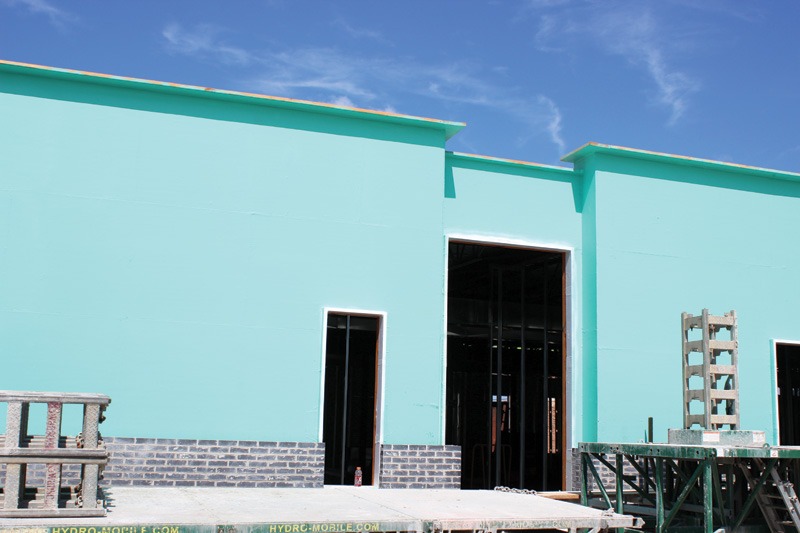
Nanotechnology may also provide next-generation solutions at the molecular level, creating air barriers with unprecedented sensitivity and performance. Nanomaterials improve air and vapor impermeability through fine structures that block even microscopic air and moisture molecules. Using nanomaterials can prevent common defects in membrane punctures and produce anti-corrosion features to protect metal members. Advances in nanoscale hydrophobic coatings can repel water, preventing moisture buildup and extending the lifespan of metal substrates.
Meanwhile, the push for fully biodegradable, carbon-negative materials is gaining momentum, responding to rising global demand for sustainable construction. As building codes tighten and climate goals become more ambitious, air barrier systems are evolving into a high-tech powerhouse that is critical to the next generation of energy-efficient, resilient, and environmentally responsible architecture.
This is technically achieved by using bio-based materials and carbon-cutting insulation. Plant-based membranes, such as hempcrete, wood fiberboard, and cellulose, can absorb carbon dioxide during growth while providing high-performance barrier properties. The same goes for carbon-cutting insulation, which allows the carbon to sink in and creates airtight barriers.
The bottom line
The science of sealing a building is anything but simple. However, thanks to smarter materials, better technology, and a focus on sustainability, air barrier systems are quietly shaping the future of construction—one building envelope at a time.
Key takeaways
Air barriers are a critical control layer in metal building envelopes, helping limit air leakage, moisture accumulation, condensation, thermal bridging, corrosion, and energy loss. Successful systems require continuous detailing across seams, joints, penetrations, and transitions, while accommodating movement caused by temperature changes.
Material selection should respond to climate, assembly design, and moisture-control needs. Fluid-applied, self-adhered, and spray foam systems each offer their own distinct benefits. Emerging tools such as thermal drones, IoT sensors, AI-driven modeling, and predictive monitoring can strengthen installation quality, support maintenance planning, and meaningfully improve long-term enclosure resilience.
Author

Frederick Torres, EIT, is an application engineer for Innovative Metals Company, Inc. (IMETCO).
Sign up for our weekly newsletter
Architectural materials and methods delivered right to your inbox

- CSI News & Notes: CSI’s impact earns official recognition; celebrate leaders, mentors, and innovators; and more
- CSI News and Notes: CSI spring certification exams open; scholarships available; and more
- CSI News & Notes: CSI MSR heading to San Diego; spring certification exams open; and more
- To Be Specific: Why CDT Should Be Your First Move
- CSI News & Notes: CSI Fellows share member benefits; and a New Year’s Resolution to keep
Related Products

Read the Latest Issue