
Historic Cape Cod courthouse gets $7M restoration
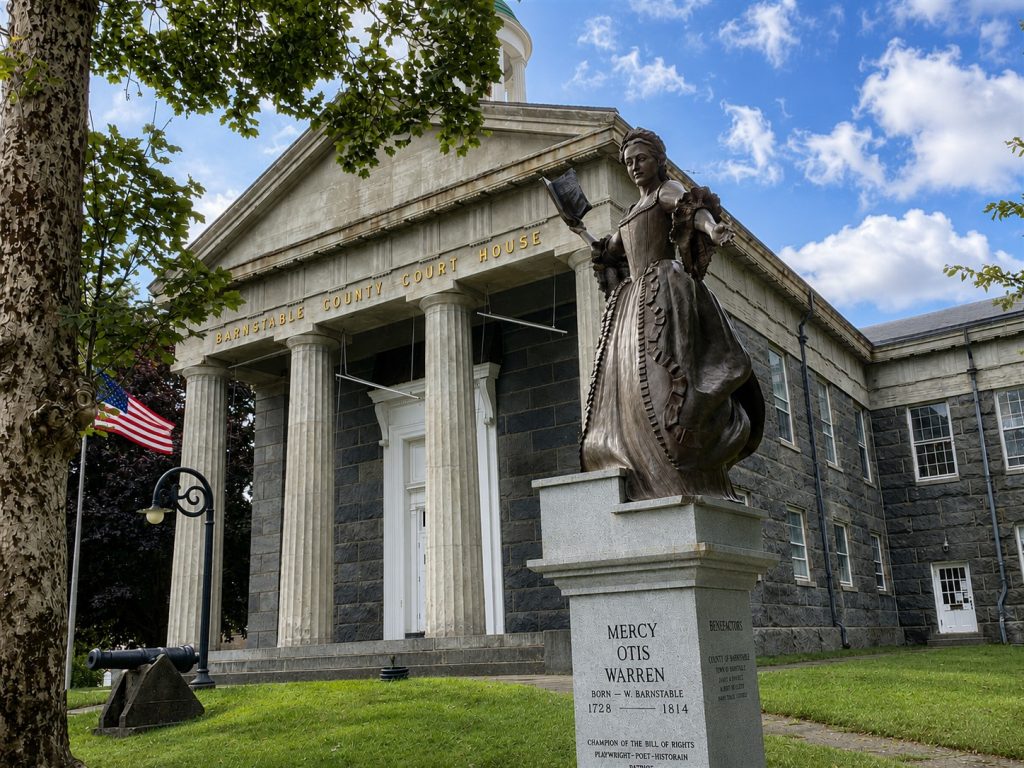
The historic Barnstable Superior Courthouse on Cape Cod, Mass., is set to undergo a $7 million exterior restoration project. The project aims to preserve the nearly 200-year-old landmark and improve long-term performance.
Located in Massachusetts’ Old King’s Highway Historic District, the courthouse was constructed in 1831 and serves as the region’s seat of justice. Designed in the Greek Revival style, the courthouse is listed on the National Register of Historic Places and remains a prominent feature of Cape Cod’s architectural landscape.
The restoration project is being led by Barnstable County, the building owner, in coordination with the Massachusetts Trial Court, the tenant. Gale Associates is serving as the architect, while ClearPath Advisors is the project manager. Homer Contracting has been awarded the construction contract and is scheduled to begin work in July 2026. Court operations will temporarily relocate until the anticipated completion of work in summer 2027.
The courthouse restoration will preserve the building’s historic character while addressing structural deterioration, durability concerns, and overall exterior performance. Planned work includes the repair or replacement of exterior granite, columns, mortar, cast stone, cornices, windows, and trim.
Fireproof materials
The courthouse complex was constructed using fire-resistant Quincy granite blocks. The decision to use fireproof materials may have been influenced by a devastating 1829 fire that destroyed the previous courthouse and much of the town’s records. For the same reason, the walls were constructed of solid masonry, with flagstone slabs used as the flooring material.
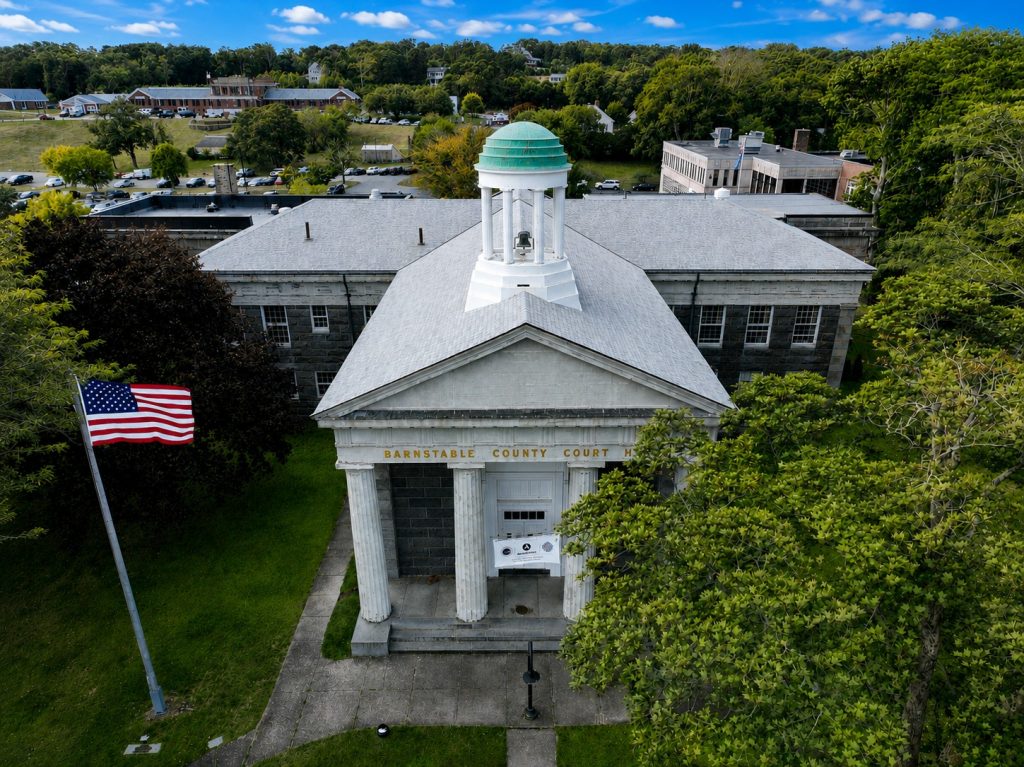
The two-story courthouse features a gable roof crowned by an eight-column wood cupola and a prominent Greek Doric portico. Although the columns were built from wood, they were finished with a sanded paint system designed to resemble granite, according to the evaluation report.
To accommodate growing needs, the courthouse underwent several expansion projects between 1879 and 1971. Those additions also incorporated Quincy granite, helping maintain a cohesive architectural appearance throughout the complex. The renovation is the building’s first comprehensive exterior restoration in more than five decades.
Sign up for our weekly newsletter
Architectural materials and methods delivered right to your inbox

- CSI News & Notes: CSI’s impact earns official recognition; celebrate leaders, mentors, and innovators; and more
- CSI News and Notes: CSI spring certification exams open; scholarships available; and more
- CSI News & Notes: CSI MSR heading to San Diego; spring certification exams open; and more
- To Be Specific: Why CDT Should Be Your First Move
- CSI News & Notes: CSI Fellows share member benefits; and a New Year’s Resolution to keep
Popular Articles
-
1
-
2
-
3
-
4
-
5
Read the Latest Issue

Demo-Casts