Commercial roofing systems: Specifying for sustainability
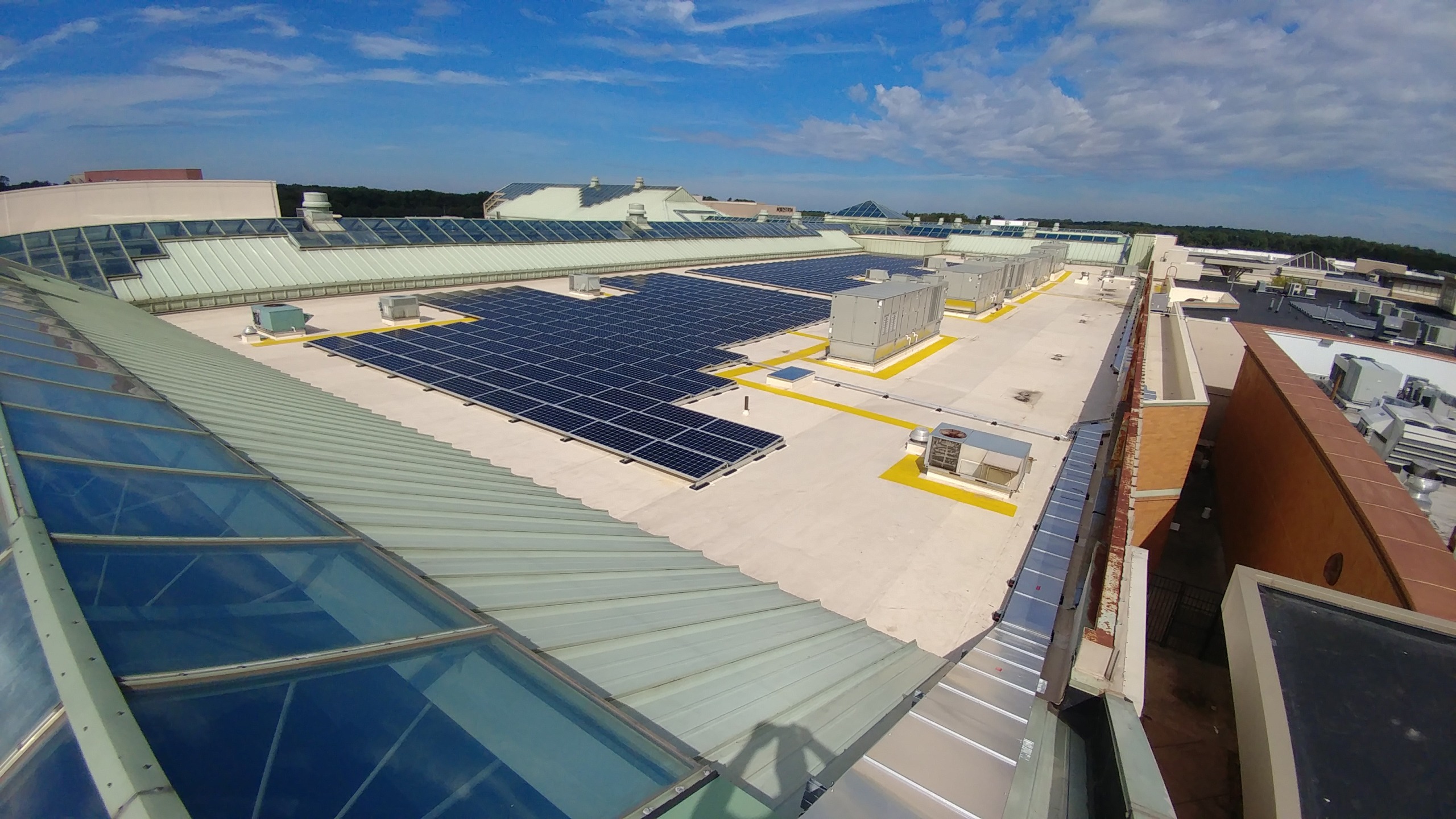
Sustainability in the building and construction industry is no longer optional. Architects and specifiers must balance performance, life cycle costs, and long-term durability across the building envelope.
For some, sustainability relates to using more environmentally friendly, recyclable, and “greener” building materials. Others focus on leaner business practices to maximize performance and profitability with fewer materials and resources. There are other interpretations, and sustainability priorities can often be at odds with each other from a business perspective. Specifiers must help building owners and operators find a balance with the right systems and materials.
Commercial roofing systems are a significant opportunity for specifiers to influence long-term building sustainability. This article explores how well-designed commercial roofing systems can help achieve sustainability by extending service life, improving reflectivity, enhancing thermal performance, and ensuring code compliance.
Recyclability: Not the end of the story
For a commercial roof system designed with sustainability as a priority, recyclability is often a priority. Recycling a membrane at the end of its service life reduces landfill waste and material consumption.
Among the most common single-ply roofing materials, polyvinyl chloride (PVC) and PVC ketone ethylene ester (KEE) have established recycling infrastructures. Smooth-backed membranes in mechanically fastened or induction-welded systems can be removed cleanly at the end of their service life, through a process called skinning, and delivered to recyclers throughout the country. Fully adhered systems pose a greater challenge for clean recovery due to the adhesive bond to the substrate. Other options, such as ethylene propylene diene monomer (EPDM) and thermoplastic polyolefin (TPO), continue to provide reliable pathways to recyclability, which is important for specifiers evaluating full life-cycle performance.
However, recyclability is not the only factor in a roof membrane’s cradle-to-grave environmental impact. First, paying for recycling can add additional costs for the building owner and roofing contractor when replacement is needed, something they may choose to forgo, despite the specifier’s best intentions. Sending the membrane to a landfill can be less complex or less costly.
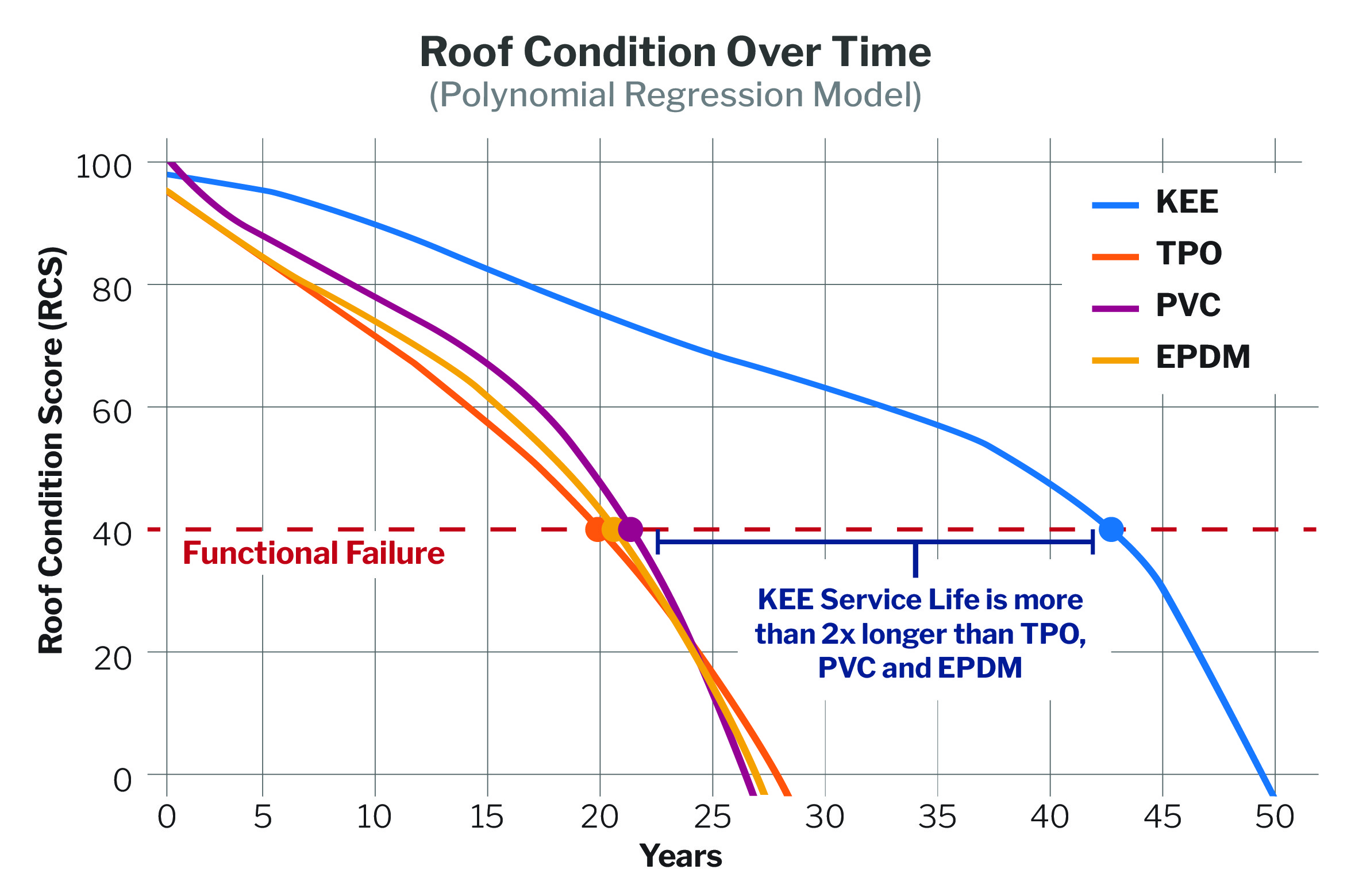
While recyclability is an important consideration, a roof membrane’s service life may be an even more meaningful indicator of its long-term sustainability impact. Most TPO, EPDM, and PVC roof membranes can provide approximately 20 to 25 years of reliable performance when properly maintained, according to estimates from the National Roofing Authority Network. At the end of its service life, the roof system must be replaced with materials that are either recycled or sent to a landfill.
Prioritizing durability and service life
Compared with the membranes described above membranes, alternative membranes may offer significantly longer service lives. KEE-based membranes manufactured to meet ASTM D6754, Standard Specification for Ketone Ethylene Ester Based Sheet Roofing, demonstrate service lives of 40 years longer when properly maintained. ASTM D6754 specifies KEE as the primary polymer and requires robust fabric reinforcement to enhance overall durability. This reduces replacement frequency, material consumption, and life cycle environmental impact. Additionally, KEE-based membranes can be highly effective at 36 mils, whereas TPO, PVC, and EPDM membranes are applied at thicknesses ranging from 45 to 90 mils, so fewer raw materials are required to produce a KEE membrane roof layer than other technologies. However, membrane thickness is only one component of roof-system performance. Specifiers should evaluate reinforcement, puncture resistance, seam strength, attachment method, detailing, warranty requirements, and expected rooftop conditions.
To evaluate a membrane’s anticipated service life, consult a product’s environmental product declaration (EPD). This document provides comparable, objective, and third-party-verified information on the environmental performance of products and services. Based on ISO 14025 (Type III), Environmental statements and programmes for products — Environmental product declarations (EPDs), these declarations are crucial for sustainable procurement, construction certifications such as LEED and BREEAM, and measuring embodied carbon. EPDs also provide reference service-life data, helping specifiers evaluate environmental impacts and long-term performance expectations.
Balancing insulation for performance and energy efficiency
Specifiers should also consider how the roof system optimally regulates internal temperature, enabling the most efficient use of the HVAC system and associated energy consumption. While other building envelope components affect overall building efficiency, the roof system should be considered in the specification process.
Performance is measurably related to the type and amount of insulation included in the roof system. This is an important calculation, as insulation must also account for condensation control and dew-point management. Proper insulation design stabilizes interior surface temperatures by reducing winter heat loss and limiting summer heat gain, thereby minimizing condensation risks.
Excessive condensation within the building’s interior can be detrimental. Moisture buildup within the roof assembly can lead to premature roof failure. When warm, humid indoor air contacts a cold surface in a roof assembly through air leakage or vapor migration, condensation can occur, posing several risks, including mold growth, fastener and deck corrosion, and poor insulation performance. This is why prescribed R-values are typically established by local building codes in accordance with the International Energy Conservation Code’s (IECC) designated climate zones throughout the United States. Colder northern climates generally require higher R-values and thicker insulation to maintain thermal performance, while warmer southern climates need lower overall insulation levels to manage interior dew-point conditions.
Achieving the right balance of solar reflectivity
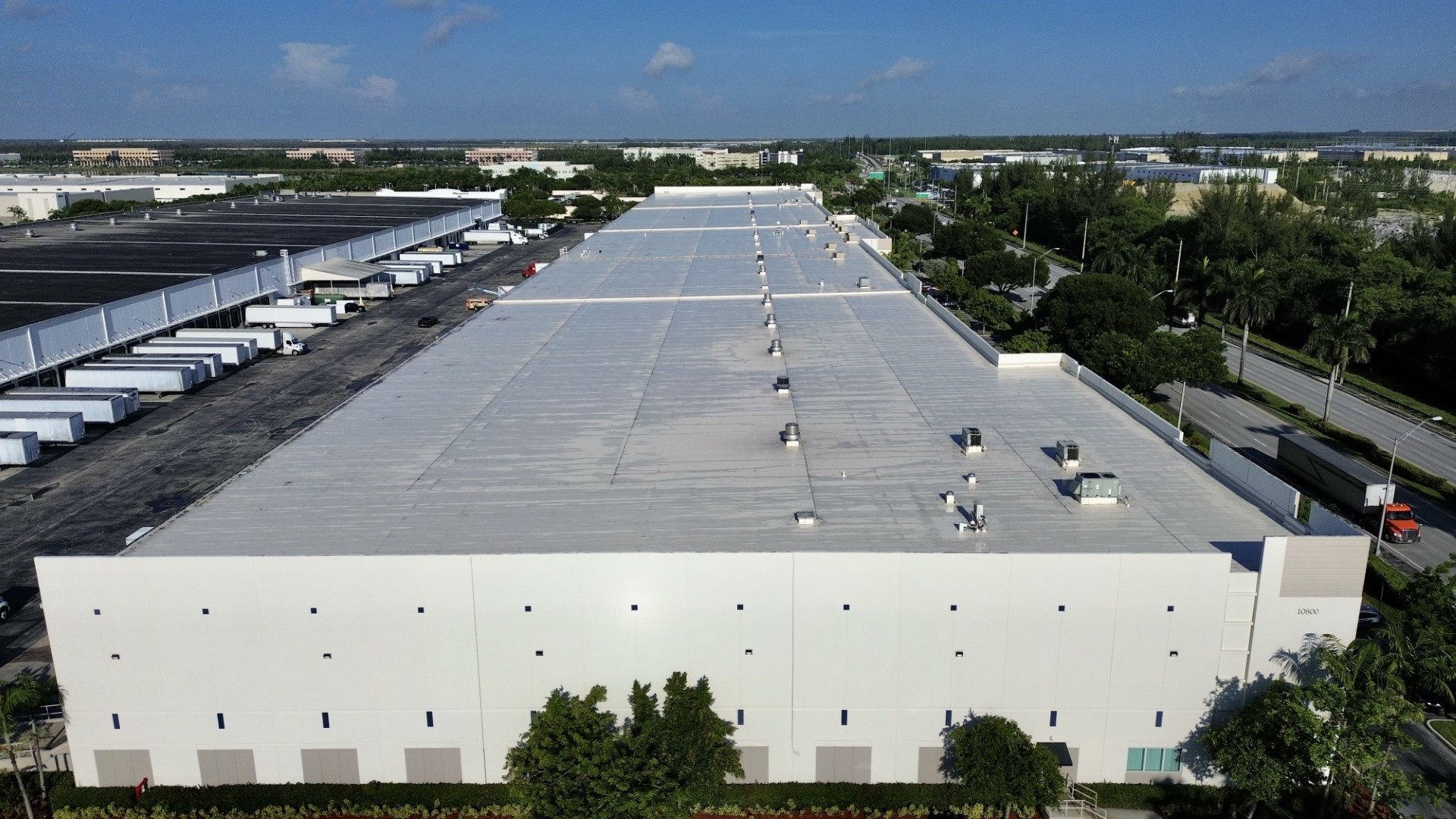
Solar reflectivity is standard in many commercial roofing specifications because it can improve building energy efficiency. Unlike darker roofing materials, such as black EPDM, which absorb solar heat, lighter-colored and white roof membranes reflect more solar radiation away from the building, helping reduce heat gain and cooling demand.
Specifiers can consult the Cool Roof Rating Council (CRRC), which rates a roof’s solar reflectance (SR) and infrared emittance (IE) on a scale of 0.0-1.0, where 1.0 is completely reflective or emissive. For example, KEE-based roofing is typically available in white or off-white configurations, which can maintain SR and IE ratings in the mid-0.8s, among the highest available for high-performing commercial roofs. By comparison, white TPO roofs can maintain similar figures, whereas black EPDM roofs achieve extremely low SR figures in the single digits.[
According to U.S. Department of Energy (DOE) modeling, reflective roof systems can reduce annual energy costs by approximately 7 cents to 20 cents per square foot, depending on climate and building conditions, resulting in a meaningful reduction in total life cycle costs, with KEE-based membranes having even lower costs.
However, specifying the most reflective roof possible is not always advantageous. For example, depending on location, many buildings are not permitted to have highly reflective roofs, as they might become a nuisance to other nearby structures and their occupants, such as hospitals or residential high-rises.
Some degrees of reflectivity are mandatory. In California, all new or replacement low-slope roofs are required by Title 24 to be cool roofs. Steep-slope roofs in several climate zones are also included in this regulation. Specifiers must always consider these factors.
Solar readiness to support clean energy
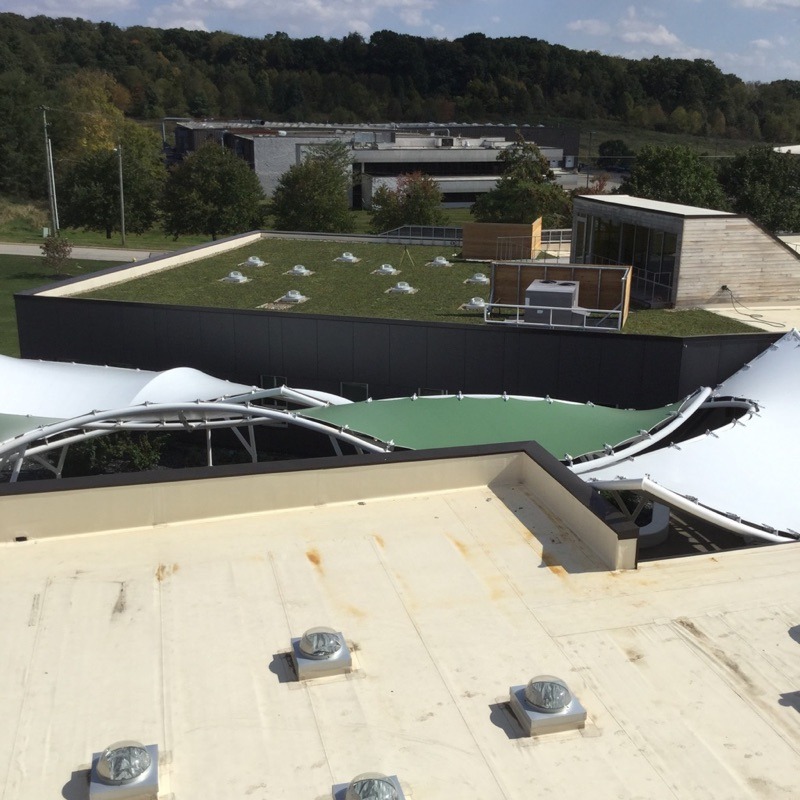
Rooftop solar panel installations have become increasingly common in the United States. Photovoltaic (PV) systems help commercial facilities reduce energy consumption, lower carbon emissions, and contribute to renewable-energy generation.
They also introduce additional considerations for a roof system. Because solar panels absorb much of the UV radiation that would otherwise strike the roof directly, they help protect the membrane from one source of degradation. PV systems require regular maintenance, increasing rooftop foot traffic. They also add weight to the roof system, and ballasted panels move during windy conditions, causing more frequent wear and tear and higher maintenance costs. Lastly, PV-ready roof assemblies should be coordinated with structural, electrical, roofing, and fire-protection requirements, including applicable code provisions and system-specific approvals. This makes high-performance membranes desirable, as they should be selected to withstand expected loads, traffic, wind exposure, and maintenance activities. Seeking membranes with enhanced puncture and tear resistance can be beneficial.
It is also important to consider the anticipated service lives of both the roof and the panels. The U.S. DOE estimates the operational lifespan of a typical PV module is about 30 to 35 years, so the roof system should have an anticipated lifespan equal to or greater than that to avoid costly mid-cycle replacement.
Commercial roof systems are significant to long-term building sustainability, operational resilience, and life cycle cost management. For specifiers, sustainability decisions increasingly extend beyond recycled content or upfront cost to include durability, energy performance, maintenance demands, and replacement frequency. Roof systems that deliver long service life and reliable performance reduce operational risk while supporting broader environmental goals.
Key takeaways
Sustainable commercial roofing requires a life cycle perspective rather than a narrow focus on recycled content or first cost. A durable membrane with a long service life can reduce replacement frequency, material consumption, maintenance disruption, and landfill waste. EPDs can help specifiers compare products’ environmental impacts and reference service-life expectations.
Roof assemblies must also balance insulation, moisture control, solar reflectivity, climate conditions, and the building’s operational needs. Reflective membranes can lower solar heat gain and cooling demand, but very high reflectivity may not be appropriate in every location. Roofs intended to support PV systems should be designed for the added traffic, loads, wear, and fire considerations—and ideally should last at least as long as the solar installation.
Author

Tanner Duer, FiberTite senior roof design consultant with Seaman Corporation, has more than 10 years of extensive experience in the roofing industry, including roles in business development, project management, and hands-on expertise as a former roofing contractor. Tanner’s in-depth knowledge of roofing systems, coupled with his technical acumen, enables him to deliver expert guidance to roof design professionals on commercial and industrial projects.
Sign up for our weekly newsletter
Architectural materials and methods delivered right to your inbox

- CSI News & Notes: CSI’s impact earns official recognition; celebrate leaders, mentors, and innovators; and more
- CSI News and Notes: CSI spring certification exams open; scholarships available; and more
- CSI News & Notes: CSI MSR heading to San Diego; spring certification exams open; and more
- To Be Specific: Why CDT Should Be Your First Move
- CSI News & Notes: CSI Fellows share member benefits; and a New Year’s Resolution to keep
Related Products

Read the Latest Issue