
Holding the line against water: Performance glazing in flood zones
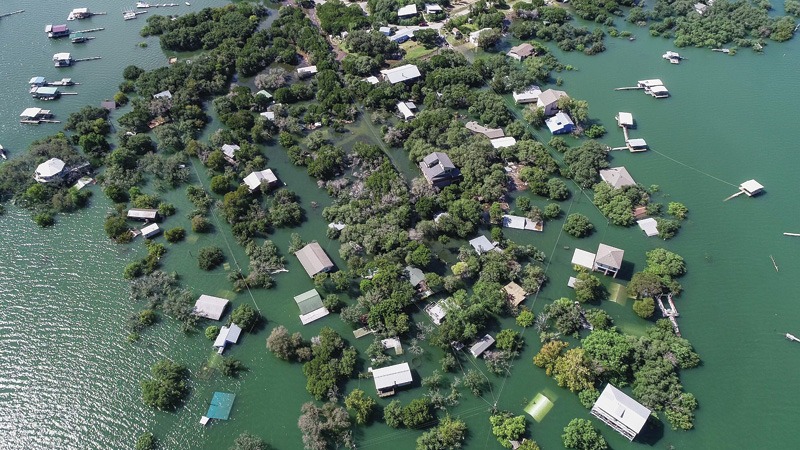
Flooding is the most frequent and financially damaging natural disaster in the U.S., causing more damage each year than hurricanes, tornadoes, and other natural hazards combined. The Federal Emergency Management Agency (FEMA) reports that more than 90 percent of flood-related property losses occur in commercial buildings, with the average claim amounting to approximately $100,000. Unlike earthquakes or fires, flooding is a recurring and intensifying threat driven by climate change, urban development, and aging infrastructure. Building professionals are under increasing pressure to integrate flood resilience into their designs, including how glazing systems are specified.
Glazed openings, such as curtain walls, storefronts, and large window systems, provide transparency and daylight but are also among the most susceptible points of water entry. Traditional defenses, such as temporary barriers, are labor-intensive and increasingly insufficient against the severity of modern storms. Flood-resistant glazing systems, in contrast, are engineered to withstand hydrostatic pressure, debris impact, and wind-driven rain, delivering permanent protection as part of the building envelope.
High-risk areas: coastal and inland
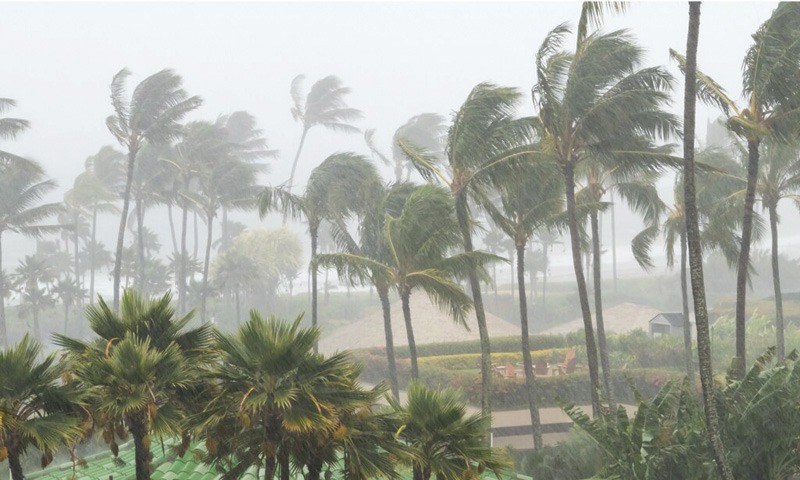
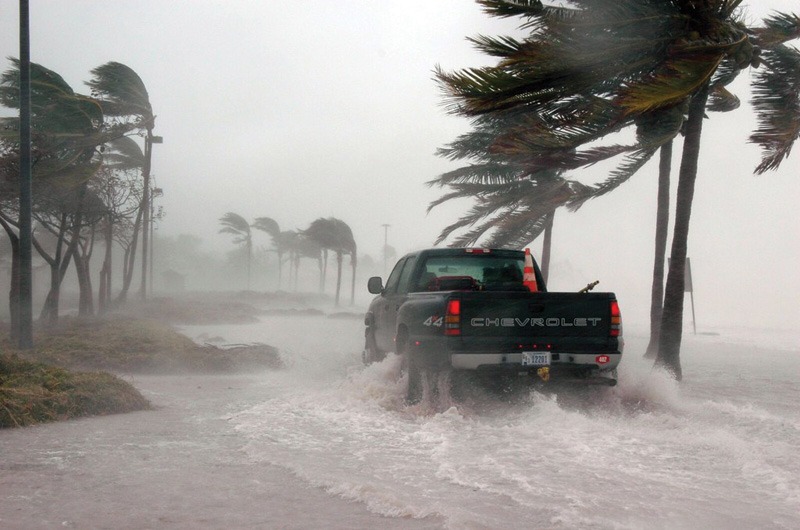
Flood resilience is often associated with coastal regions. Along the Gulf Coast and Atlantic seaboard, hurricanes bring storm surge, high winds, and wave action that put extreme stress on building envelopes. Glazing assemblies in cities such as Miami, Florida; New Orleans, Louisiana; and Charleston, South Carolina must now meet some of the most stringent performance codes in the country. Systems that fail can allow water to bypass other defenses, leading to rapid and widespread interior damage.
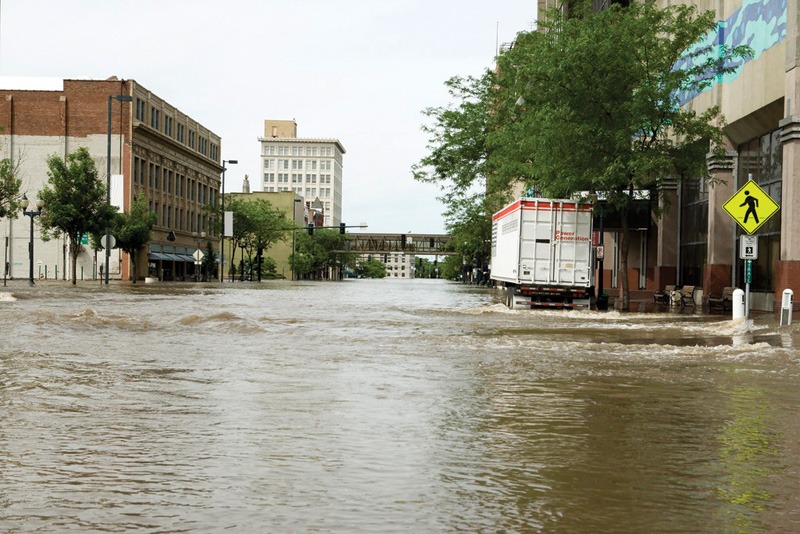
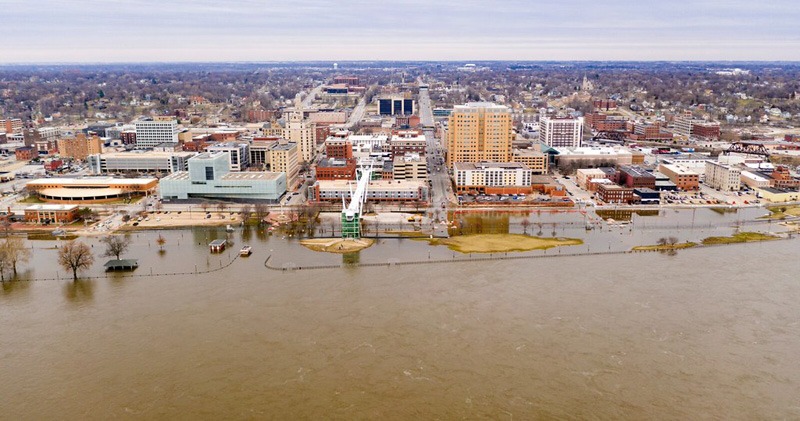
Inland areas face different but equally critical risks. Riverfront cities along the Mississippi, Ohio, and Missouri Rivers experience seasonal flooding that exposes buildings to prolonged hydrostatic pressure. Commercial properties near levees or floodplains are particularly exposed when water levels rise. At the same time, dense urban centers in the Midwest and Southwest are increasingly affected by flash flooding caused by heavy rainfall and the strain on stormwater infrastructure. Houston, Texas, has seen extensive flooding during significant rain events, while St. Louis, Missouri, experienced record-breaking rainfall in 2022. These examples illustrate how cities far from coastal zones remain at high risk. In these environments, glazing systems located at grade or below projected flood levels can quickly become points of failure.
By considering both coastal and inland scenarios, design professionals can better understand that flood-rated glazing is not a niche solution limited to hurricane-prone states. It is a necessary specification across diverse geographies where climate and infrastructure challenges are driving more frequent and severe flood events.
The toll of flooding on commercial buildings
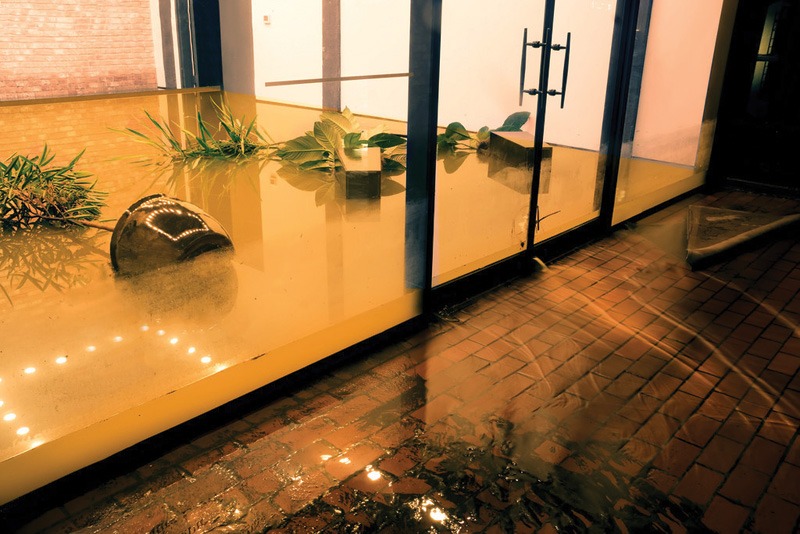
Floodwater causes several types of damage to commercial buildings. Structurally, hydrostatic pressure against walls and openings can cause displacement, cracking, and even collapse. Hydrodynamic forces add further stress as water moves at varying velocities. Internally, intrusion affects mechanical and electrical systems, damages finishes and furnishings, often requires complete removal of contaminated materials. Mold growth compounds losses and extends recovery timelines.
The financial consequences are significant. The National Flood Insurance Program estimates that one inch of water in a commercial property can result in more than $25,000 in damage. For multi-tenant buildings, business interruption costs may exceed physical repair costs, as downtime impacts leases, operations, and occupancy. In many cases, loss of use after a flood can determine whether a property recovers or is abandoned.
Limitations of traditional protection
Temporary measures have long been the default for flood defense. Sandbags, flood panels, and stop logs can divert or hold back water when installed correctly, but they rely on timely deployment and human labor. Their performance is inconsistent, and they are easily overtopped or displaced. Pumps and drainage systems help manage rising water, but they are ineffective when rainfall or surges exceed the municipal infrastructure’s capacity.
These strategies no longer align with the intensity of storm events. A more reliable approach is to incorporate resilience directly into the building envelope. Flood-resistant glazing systems shift the burden from reactive measures to permanent, tested solutions.
Flood-resistant glazing: Design and testing principles
Flood-rated glazing systems are engineered as integrated assemblies that combine laminated impact glass, reinforced aluminum framing, and specialized seals. Unlike standard curtain wall or storefront systems, they are designed to withstand hydrostatic loads for prolonged periods, resist wind-driven water, and endure debris impact without catastrophic failure.
Performance is validated through laboratory testing. ASTM E331 evaluates resistance to water penetration under static air pressure, while ASTM E547 measures performance under cyclic pressure to simulate fluctuating conditions. ASTM E1886 and ASTM E1996 establish debris-impact and pressure-cycling protocols that are particularly important in hurricane-prone regions, where flooding often coincides with high winds. In addition, hydrostatic head testing subjects glazing systems to sustained water depths to measure leakage resistance, simulating the conditions buildings face in a real flood. Together, these tests confirm that assemblies can withstand the combined forces of water, wind, and impact, ensuring that systems remain watertight and durable even during prolonged events.
Codes and compliance
Flood-resistant design has been increasingly integrated into model codes and standards. ASCE 24, Flood Resistant Design and Construction, establishes minimum requirements for buildings located in FEMA-designated flood hazard areas. The standard addresses elevation requirements, use of flood-resistant materials, and floodproofing strategies such as dry floodproofing. Dry floodproofing refers to design methods that prevent floodwater from entering a structure by using watertight walls, sealed penetrations, structural reinforcement, and flood barriers capable of resisting hydrostatic and hydrodynamic forces.
The International Building Code (IBC) references ASCE 24, and local jurisdictions in coastal states have adopted stricter provisions.
In coastal and hurricane-prone regions, state and local codes often adopt requirements that exceed the IBC’s minimum provisions. For example, the Florida Building Code incorporates more stringent wind-pressure, wind-borne debris impact, and water-penetration resistance requirements for exterior assemblies, particularly in designated High Velocity Hurricane Zones (HVHZ) such as Miami-Dade and Broward counties. These provisions are intended to address the combined risks of hurricane winds, storm surge, and wind-driven rain common in these regions.
For glazing systems, these requirements typically include impact-resistant testing protocols, higher design wind loads, and stricter water-penetration performance criteria than those applied in lower wind-risk regions under the IBC.
For specifiers, compliance is only part of the equation. Insurers and financiers are demanding performance beyond code minimums as a condition of coverage or investment. This shift is accelerating the adoption of flood-rated glazing even in regions where codes have not yet mandated it.
Long-term benefits for owners and developers
Integrating flood-resistant glazing offers clear advantages. Permanent systems reduce reliance on temporary defenses and minimize the risk of water intrusion through vulnerable openings. Owners benefit from reduced remediation costs, faster recovery, and improved business continuity. Buildings with resilient envelopes are more insurable and often more attractive to tenants, as they demonstrate a commitment to long-term reliability.
Architecturally, flood-rated glazing enables the continued use of transparent facades in high-risk areas. Designers do not have to sacrifice daylighting or aesthetics to achieve performance. Instead, resilience is built into the envelope, aligning with both functional and design goals.
Durability and installation considerations
The durability of flood-rated glazing depends not only on product engineering but also on proper installation and integration with adjacent assemblies. Shop drawings, pre-construction mock-ups, and field testing confirm that seals, anchors, and transitions perform as designed. Maintenance is also important. Gaskets, sealants, and framing need to be inspected periodically to support long-term reliability.
Regional conditions influence durability requirements. In coastal environments, corrosion resistance for frames and fasteners is necessary. In colder climates, systems need to resist freeze-thaw cycling without degradation. In high-wind regions, glazing needs to be designed to withstand simultaneous wind and water loads. Each of these conditions highlights the importance of specifying assemblies that are tested and certified for the risks associated with the intended environment.
Consequences of failure
Failures in glazing under flood conditions result in immediate water intrusion that bypasses other envelope protections. Once water enters, it damages finishes, systems, and structures, often requiring extended remediation and disrupting occupancy. Mold growth can render spaces uninhabitable for months, while mechanical and electrical system failures may need replacement.
From a professional liability perspective, failures also expose design teams and contractors to claims. As owners and insurers increasingly expect resilient envelope performance, untested or improperly specified systems pose a significant risk to all project stakeholders.
Specifier’s considerations
When evaluating flood-rated glazing systems, specifiers should verify that assemblies have been tested to recognized standards, including ASTM protocols for water penetration, impact, and cycling, as well as FEMA and Miami-Dade County guidelines where applicable. It is equally important to confirm hydrostatic head testing, which demonstrates performance under sustained water pressure. Integration with adjacent envelope systems should be addressed in shop drawings and mock-ups to ensure continuity of seals and anchorage. Field testing during construction provides additional assurance that performance achieved in the laboratory translates to the installed condition. Because regional factors such as humidity, salt exposure, freeze-thaw cycles, and wind pressure can affect long-term durability, products should be evaluated not only for code compliance but for their ability to perform reliably over the service life of the building.
Pro-tech glazing systems
Flood-resistant glazing systems have been developed to address performance challenges associated with hurricane and flood events. Drawing on established expertise in hurricane-resistant glazing, these systems are engineered to withstand both extreme wind pressures and hydrostatic flood loads.
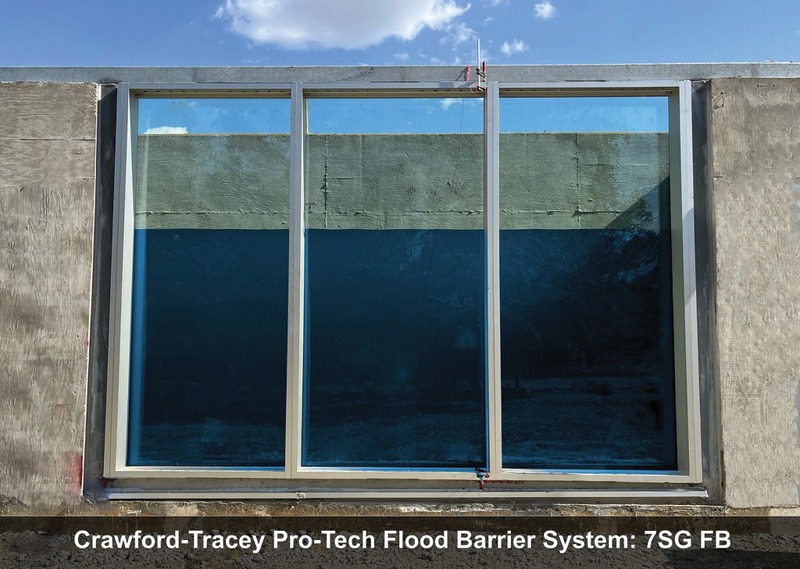
Some unitized, structurally glazed curtain wall and storefront assemblies are rated to as much as 4,788 Pa (100 psf) static pressure water resistance, demonstrating the capacity to resist water at significant flood depths.
Following extensive testing under HVHZ requirements in accordance with ASTM and Miami-Dade County protocols, certain systems have also been evaluated for resistance to floodwaters and floating debris impact under ANSI/FM 2510. Impact-rated flood barrier
glazing technologies have also been subject to patent protection.
Unlike deployable flood barriers, permanently integrated glazing assemblies are built directly into the building envelope, eliminating the need for additional labor, storage, or installation. This integrated approach enables architects and building owners to maintain facade transparency and design continuity while incorporating consistent, passive flood protection.
Building for the future
Flooding will remain one of the defining challenges for commercial buildings in the coming decades. For architects, engineers, and specifiers, glazing systems need to be reimagined not only as aesthetic elements but as defenses against water intrusion. Permanent, tested flood-rated assemblies represent the next step in resilience, ensuring that buildings remain functional and valuable despite increasing environmental risks.
Conclusion
Commercial properties face some of the greatest financial losses from flooding, and glazed openings remain one of the most vulnerable points of entry. Whether in coastal hurricane zones or inland regions exposed to river flooding and flash rainfall, these openings can quickly fail under storm pressure. Sandbags, temporary barriers, and other stopgap defenses cannot consistently withstand the combined forces of hydrostatic pressure, debris impact, and wind-driven rain. Flood-rated glazing systems are engineered and tested to meet these demands as part of a complete building envelope solution. By specifying these systems, owners can lower repair costs, reduce downtime, and strengthen resilience in the face of increasingly severe weather events.
Author

Ray Crawford is president of Crawford-Tracey Corporation, a leading glazing contractor and innovator in commercial glazing systems. With over five decades of experience, including more than 30 years as president, he has advanced the development of unitized, pre-glazed, and impact-resistant systems that have set new performance standards. Under his leadership, Crawford-Tracey Corporation has delivered glazing assemblies tested to rigorous high-pressure, impact, and water resistance standards. Headquartered in Deerfield Beach, Fla., with an additional office in Jacksonville, Fla., Crawford-Tracey Corporation designs, manufactures, and installs custom and conventional glazing systems across the Southeastern United States and the Caribbean.
Sign up for our weekly newsletter
Architectural materials and methods delivered right to your inbox

- CSI News & Notes: CSI’s impact earns official recognition; celebrate leaders, mentors, and innovators; and more
- CSI News and Notes: CSI spring certification exams open; scholarships available; and more
- CSI News & Notes: CSI MSR heading to San Diego; spring certification exams open; and more
- To Be Specific: Why CDT Should Be Your First Move
- CSI News & Notes: CSI Fellows share member benefits; and a New Year’s Resolution to keep
Products

Read the Latest Issue