Renovated facility expands access to specialized care
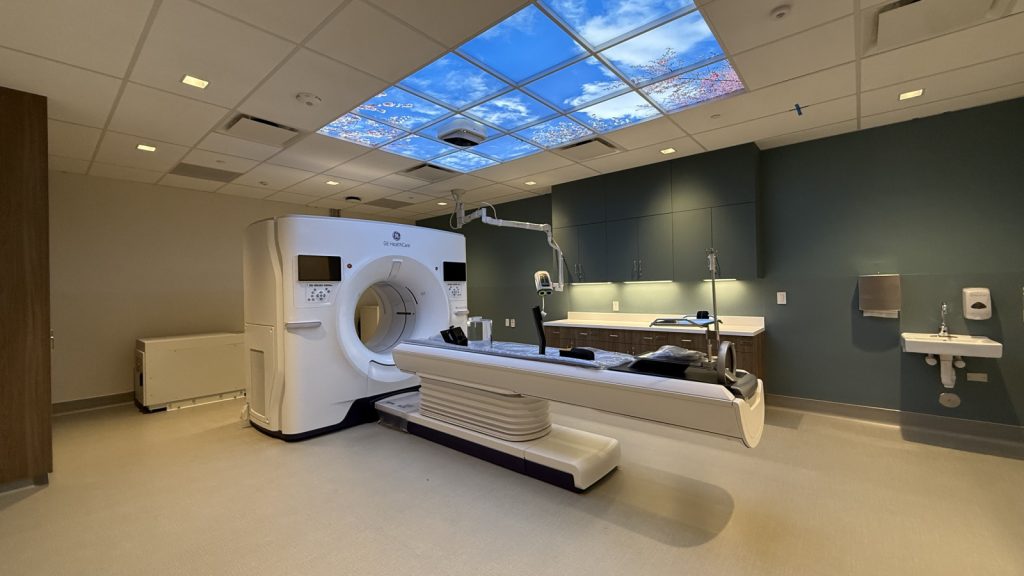
A renovated facility in Pleasanton, Calif., expands access to specialized medical care across the Tri-Valley region. The 1,950 m² (21,000-sf) tenant improvement project for Sutter Health was completed by Skanska. The renovated first-floor facility will open to patients this month.
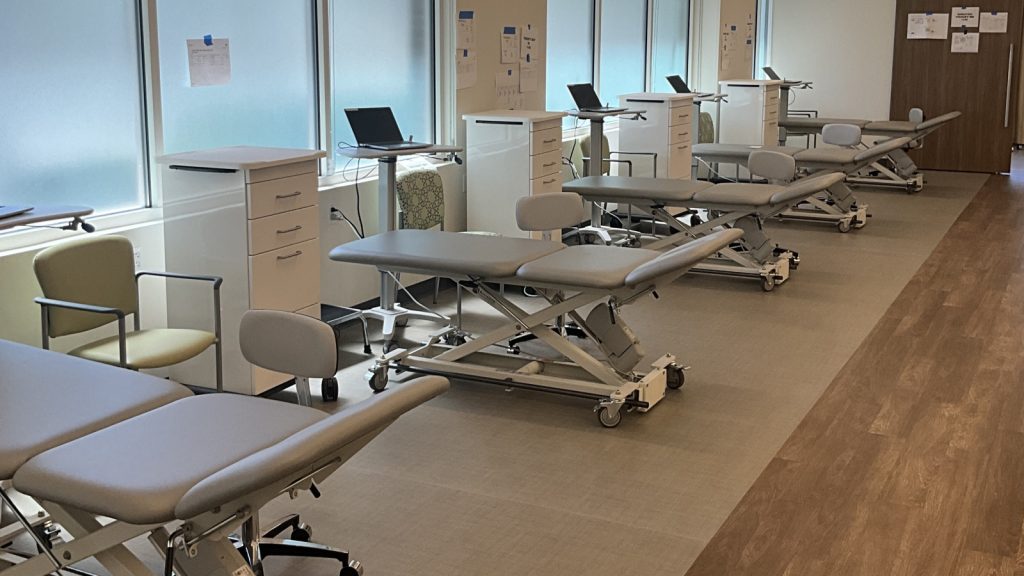
The new medical hub includes a pediatric urgent care clinic, physical therapy department, and comprehensive imaging center. Its imaging capabilities include magnetic resonance imaging, computed tomography, X-ray, mammography, low-density bone scanning, and ultrasound. The facility supports growing community needs and helps reduce wait times for specialized services.
“This state-of-the-art facility will serve patients and their families for years to come,” said Lindsay Corotis, vice president and account manager for Skanska USA Building in California.
Skanska delivered the project through a design-build approach, with DES serving as architect. The team used coordinated construction methods to maintain production and control resources despite permitting challenges.
A Takt plan helped sequence installations across the project. The method divided the work into repeatable zones and established a reliable flow of crews and trades. This approach helped the team maintain schedule visibility and coordinate installations.
Skanska also deployed Dusty Robotics for multi-trade robotic layouts. The technology helped translate digital construction plans into precise field layouts while reducing manual layout work. The team also piloted robotic progress tracking to improve resource allocation and limit waste. Skanska says the approach helped the project team maintain efficiency while delivering a specialized health care environment for the community.
Sign up for our weekly newsletter
Architectural materials and methods delivered right to your inbox

- CSI News & Notes: CSI’s impact earns official recognition; celebrate leaders, mentors, and innovators; and more
- CSI News and Notes: CSI spring certification exams open; scholarships available; and more
- CSI News & Notes: CSI MSR heading to San Diego; spring certification exams open; and more
- To Be Specific: Why CDT Should Be Your First Move
- CSI News & Notes: CSI Fellows share member benefits; and a New Year’s Resolution to keep
Popular Articles
-
1
-
2
-
3
-
4
-
5
Read the Latest Issue