Protective coatings for data center design
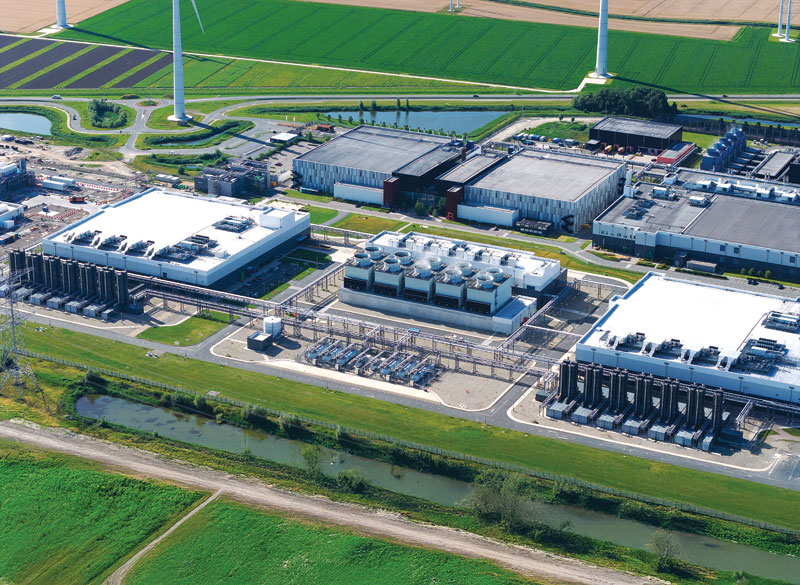
A single hour of data center downtime can cost a company hundreds of thousands of dollars. As rising AI workloads push these facilities even harder, the margin for error keeps shrinking. To keep pace, the construction industry is rethinking the materials that help power, preserve, and protect data centers.
Coatings manufacturers have become an essential part of this ecosystem, alongside builders, software providers, and utilities. Their advanced technologies protect nearly every critical component within a data center, guarding against corrosion, fire, electrostatic discharge, and energy loss.
Protecting mission-critical assets such as servers, power systems, and the electrical infrastructure that keeps these facilities online is essential to maintaining continuous uptime and preventing costly disruptions. But that is only part of the equation. The buildings themselves must be designed to withstand decades of demanding environmental conditions while supporting uninterrupted operation. Structural steel, exterior wall systems, roofing components, and other critical building elements require coating systems that offer far more than aesthetics, but also resist corrosion, weathering, and potential fire exposure while contributing to long-term durability and performance.
Increased demand driven by fast-moving timelines
The acceleration of data center construction is creating significant needs for both building materials and electrical systems. At the same time, manufacturers across the supply chain are working to meet surging demand for structural steel and components, including enclosure systems, switchgear, battery storage, and cooling equipment. These pressures are creating procurement challenges, extending project timelines, and stalling builds, particularly as developers race to bring new capacity online.
Using coating systems from a single manufacturer across the full range of substrates and applications helps ensure each layer works together seamlessly, streamlining the specification and procurement process and enabling builders to meet established—and often aggressive—construction timelines.
Beyond accelerating specification and construction, project stakeholders who leverage this integrated approach not only optimize durability and performance but also streamline communications and processes for warranties, technical support, and post-installation service through a single point of contact.
The new, higher-performance benchmark
Data centers require significant power, generate intense heat, and must operate continuously. In fact, the ambitious data center uptime target is 99.9 percent, allowing only a few hours of service interruption each year. The expectation is even greater for business-critical applications relying on real-time data and round-the-clock digital services, such as healthcare, finance, and telecommunications, systems that are increasingly reliant on data center support.
That level of continuous operation leaves virtually no tolerance for downtime and generates extreme heat loads and energy density within tightly controlled environments. In modern data centers, coatings used for power generation systems, cooling infrastructure, and even the building’s exterior do not serve isolated functions; rather, they are part of an interconnected system that must perform in sync with little margin for error.
As hardware becomes more complex and data center spaces house more equipment, effective heat management is a major operational challenge. Overheating can accelerate component degradation but also increase energy consumption and operational cooling costs. Advanced coatings help regulate thermal build-up to protect sensitive equipment and maintain stable temperatures. Specialized thermal-resistive, insulative, and infrared-reflective (IR) coatings that redirect solar heat are particularly effective in protecting exterior building components from heat build-up, an essential advantage for facilities already bearing a significant heat load.
In addition, the sustainability profile of data centers has become a decisive factor in whether new facilities are approved, permitted, and ultimately accepted by the communities that host them. Metrics widely used in the industry help owners, operators, and developers benchmark performance on various data points, prompting consideration of specifiers for coatings and building materials.
Key sustainability metrics
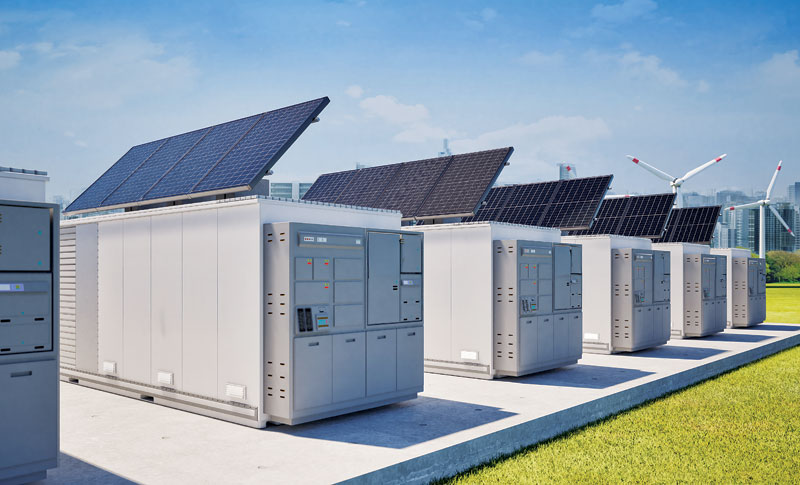
High energy demands, water consumption, cooling requirements, and increasing pressure to adopt decarbonization strategies are reshaping how data center performance is defined and regulated. As these facilities grow in scale and complexity, sustainability is no longer an optional design consideration but a measurable requirement driven by both operational efficiency goals and pressure from local communities and government entities.
Data center developers and specifiers can use a variety of performance benchmarks to evaluate facility efficiency and environmental impact. Common sustainability metrics include:
- Power usage effectiveness (PUE)–Measures overall energy efficiency of the facility.
- Energy reuse effectiveness (ERE)–Evaluates how effectively waste energy is recovered and reused.
- Carbon usage effectiveness (CUE)–Quantifies greenhouse gas emissions relative to energy consumption.
- Water usage effectiveness (WUE)–Tracks water efficiency in cooling and operations.
- Cooling efficiency ratio (CER)–Assesses the efficiency of cooling systems relative to energy use.
Failure to meet any of these requirements impacts operational costs and efficiency, regulatory and compliance risks, and reputational and environmental impacts.
LEED considerations
While LEED certification remains relatively uncommon among data centers, interest in it is rising, making these metrics increasingly relevant, especially among hyperscale operators and sustainability-focused enterprises.
While fewer than five percent of U.S. data centers have achieved LEED certification, new projects are increasingly incorporating aligned strategies without pursuing full certification. As local communities push for more environmentally sound development—and governments enact tougher efficiency and emissions regulations—owners and developers must work toward meaningful, targeted reductions in overall water and energy use and greenhouse gas emissions.
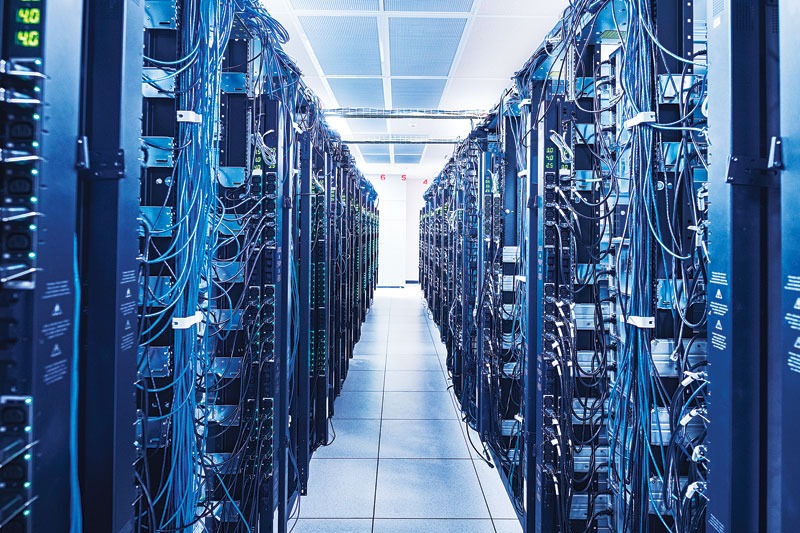
Collectively, meeting these requirements is challenging, given that the physical environment in contemporary data centers is more valuable and demanding than ever, consuming significantly more power, generating more heat, and housing equipment that must not exceed temperature or humidity limits.
Other notable certifications
Additional industry-leading certifications from Underwriters Laboratories (UL) and the Institute of Electrical and Electronics Engineers (IEEE) provide independent verification that coatings can withstand the rigorous demands of data center applications.
UL certifications
For building materials used in data centers, including structural systems, interior partitions, and electrical infrastructure, coatings are frequently evaluated against UL safety and performance standards that inform specification decisions:
- UL 94, the Standard for Safety of Flammability of Plastic Materials for Parts in Devices and Appliances: Ensures coatings resist ignition and limit flame propagation, reducing fire risk on plastic or composite components.
- UL 263, Fire Tests of Building Construction and Material: Confirms coated structural assemblies maintain their fire-resistance rating, safeguarding critical infrastructure.
- UL 746C, Standard for Polymeric Materials – Short Term Property Evaluations: Validates thermal and dielectric stability for coatings applied to electrical panels and busbars.
- UL 723, Steiner Tunnel Test / ASTM E84, Testing and Certification Solutions for Building Materials and the HVAC industry: Measures flame spread and smoke development, supporting compliance with building codes and NFPA codes and standards. ASTM E84 is a 10-minute fire test evaluating the surface burning characteristics of building materials.
Other codes and standards related to fire protection and corrosion should be considered by specifiers selecting protective coatings for the structural elements of data centers and their exteriors:
- UL 1709, Rapid Rise Fire Tests of Protection Materials for Structural Steel: Evaluates the ability of fire-protective coatings to withstand the rapid temperature increases associated with hydrocarbon fires. While more common in industrial and energy applications, coating systems that meet these criteria are important for data centers with large backup power or energy storage systems.
- UL 10C, Positive Pressure Fire Tests of Door Assemblies: Supports the fire performance of coated doors and openings, helping the physical door infrastructure within a data center contain a fire and helping to prevent it from spreading between rooms.
- ASTM B117, Standard Practice for Operating Salt Spray (Fog) Apparatus: Commonly used to evaluate the corrosion resistance of coated metal components exposed to challenging environments. While not a building code requirement, specifiers can use this type of corrosion testing data to identify protective coating systems that have passed salt-spray tests when selecting them for exterior and structural applications.
- ASTM D2247, Standard Practice for Testing Water Resistance of Coatings in 100 % Relative Humidity: An important consideration for the specification of exterior components, the test assesses blistering, softening, adhesion loss, and degradation of protective coatings. While not a direct predictor of field performance, it provides a standardized method for comparing coating systems where long-term exposure to humidity or moisture is a design consideration, inside data centers or out.
- FGIA/AAMA 2603, 2604, and 2605, Performance Requirements and Test Procedures for Pigmented Organic Coatings on Aluminum Extrusions and Panels: Performance specifications for architectural coatings applied to aluminum extrusions and panels. These standards evaluate weatherability, color retention, chalk resistance, and durability, helping specifiers select appropriate coating systems based on environmental exposure and service-life expectations.
- Cool Roof Rating Council (CRRC): The organization provides independent ratings for the radiative properties (solar reflectance) and thermal emittance of exterior building materials, including those suitable for data centers. The council helps specifiers evaluate roof and wall systems intended to reduce heat gain and improve energy performance.
- ASHRAE 90.1: Establishes minimum energy-efficiency requirements for commercial buildings. Reflective roof and wall coatings can contribute to code compliance by reducing solar heat gain and supporting lower cooling loads in data centers.
Author’s note: Testing parameters and definitions are summarized from standardized methodologies outlined by UL Solutions (UL), ASTM International (ASTM), the Fenestration & Glazing Industry Alliance (FGIA), the Cool Roof Rating Council (CRRC), and ASHRAE.
Coatings for exteriors and structural components
With these codes, standards, and performance criteria establishing clear benchmarks for durability, weatherability, and energy efficiency, specifiers can begin translating requirements into material and coating system decisions. For the building envelope and structural systems, this typically centers on selecting protective coatings for coil-coated and extruded aluminum components, which play a critical role in long-term facility performance from the outside in.
Coil coatings
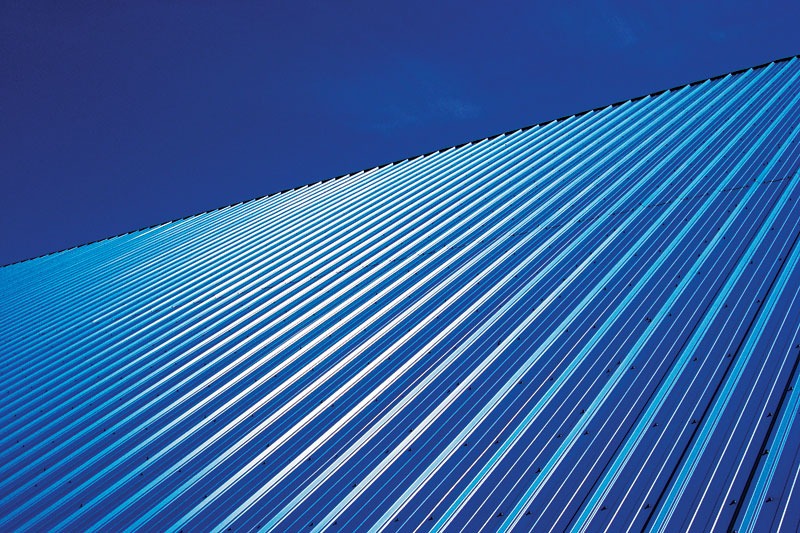
Coil coatings are commonly specified for metals used in roofing, wall panels, louvers, equipment enclosures, and other exterior building components, forming the first line of defense against environmental exposure. Applied to steel or aluminum in a continuous, automated process before the metal is fabricated into building components and systems, these coatings provide a durable finish designed to help withstand UV rays, moisture, temperature fluctuations, and corrosive conditions.
For data centers, the performance of exterior components is particularly important given their long service lives and continuous operation requirements. High-performance coil coating systems can help maintain the appearance and integrity of metal building products used on exterior applications. In addition to corrosion and weather resistance, quality coil coatings offer color retention and resistance to chalk, scratches, and marks.
Cool roof and wall technologies
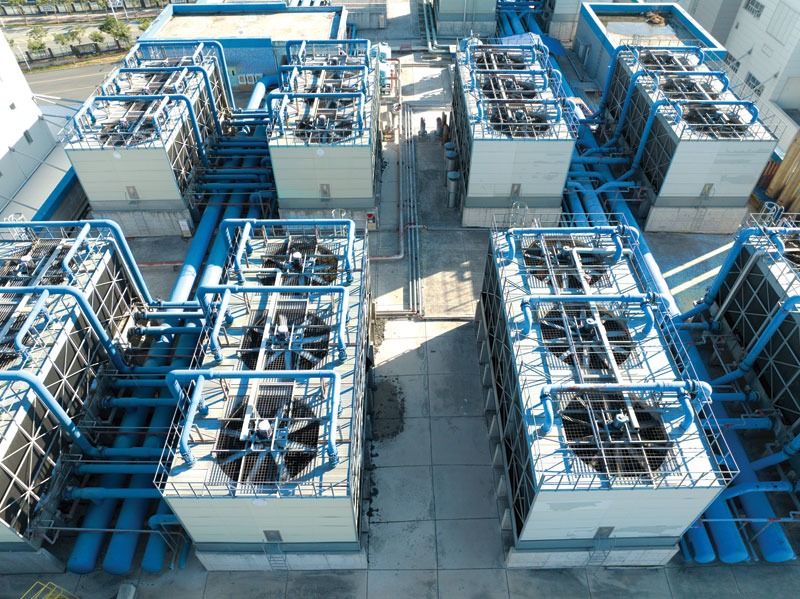
Specifiers now have access to infrared (IR) coil coatings that reflect solar radiation away from building exteriors. This allows for darker colors for building exteriors that absorb significantly less heat. In data centers, where cooling systems continuously manage heat generated by servers, storage equipment, and other critical infrastructure, reducing heat gain through the building envelope is important for overall energy efficiency. Limiting the amount of exterior heat entering the facility reduces the burden on HVAC systems tasked with maintaining precise interior conditions. In this way, reduced heat absorption lowers a data center’s overall cooling loads and associated costs. It can help minimize the urban heat island effect for facilities built in more densely populated areas. In fact, according to the CRRC, the average energy savings from a cool roof range from 7 to 15 percent of total cooling costs. Cool roofs can also help prolong the life of air conditioning systems by reducing strain during hot weather.
Cool coil coatings can be formulated to meet requirements for LEED, CRRC, California Title 24, ASHRAE 90.1, and numerous state and local voluntary codes for specifiers seeking to satisfy a particular standard or performance benchmark.
Premium, architectural-grade powder coatings
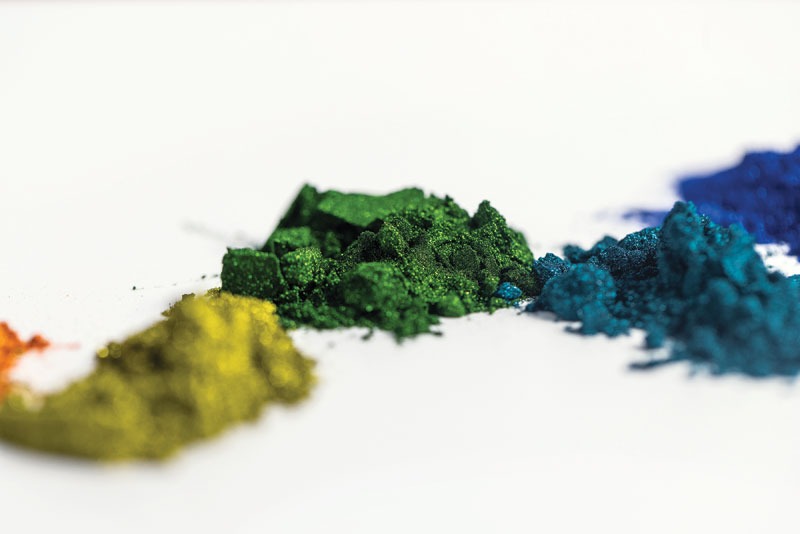
For architects designing modern data center building envelopes, hyper-durable powder coatings offer a balance of long-term exterior durability and color retention with added sustainability advantages. These advanced solutions meet stringent standards, such as FGIA/AAMA 2605, for architectural extrusions and aluminum components, including window frames, panels, and curtain walls. These powders help protect exterior metals on data centers from harsh UV rays, extreme temperatures, and rust.
Extrusion coatings
Extruded aluminum components are widely used across data center envelopes and structural components, including curtain wall assemblies, window and door frames, sunshades, louvers, and other architectural metal elements. They can also be specified for equipment enclosure systems to protect sensitive electronics.
Additionally, because these components are in direct contact with primary structural framing and are part of the facade, their surface protection plays a critical role in the overall continuity and performance of the exterior.
Extrusion coating systems are engineered specifically for shaped metal components, where complex geometries and exposed surfaces require uniform coverage and consistent film build. Applied in controlled factory environments, these coatings ensure repeatable quality across large production runs while supporting a wide range of aesthetic requirements, including color, gloss, and specialty finishes.
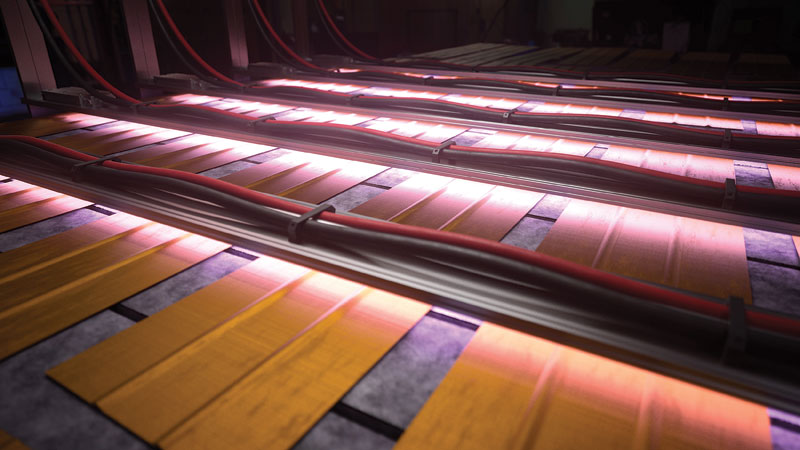
For specifiers, extrusion coatings are typically evaluated against established FGIA/AAMA performance standards. These evaluations assess resistance to weathering, UV exposure, corrosion, and mechanical wear, all of which are important when specifying for a data center build. Coatings meeting established performance benchmarks help ensure coated aluminum components maintain their appearance and integrity in demanding exterior environments over extended service lives.
While envelope and structural applications are among the most visible specifications on a data center project, specialized coating technologies are also used throughout the facility’s electrical, mechanical, and power systems. These may include:
- EMI-shielding coatings
- Anti-static and fire-resistant coatings
- Dielectric powders
- Thermal-resistive coatings
- Insulative coatings
- IR-reflective coatings
- Corrosion-resistant coatings
- Protective coatings for uninterruptible power supply (UPS) batteries
- ESD-safe flooring systems
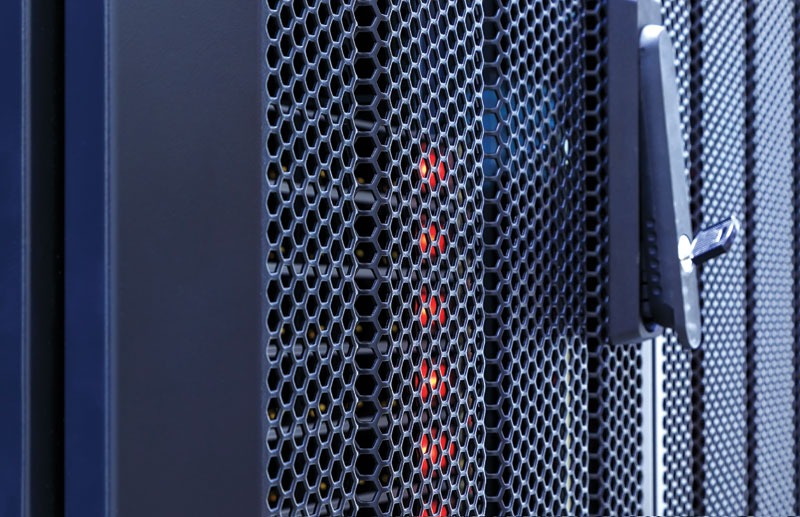
Advanced coatings for power and protection
As demand for data centers accelerates, architects and specifiers must balance durability, energy efficiency, safety, and speed to market. Coating systems contribute to all these priorities, helping protect structural components, support building envelope performance, and safeguard critical infrastructure. When supplied by a single coatings manufacturer with a broad range of technologies, specifiers can streamline specifying and sourcing and optimize protective performance across building components and assemblies.
Data centers are among the most demanding environments in infrastructure, where even minor disruptions can cascade into costly outages. As facilities grow in scale and power density, the materials protecting their critical systems must perform at an equally high level, including the high-performance industrial coatings used to safeguard the physical structure and its components. Partnering with a coatings supplier offering a robust supply chain and deep application expertise can also help keep construction timelines on track, an increasingly important advantage as developers race to bring new capacity online.
Author

Federico Olivares serves as global strategic marketing and data center strategy leader at PPG Industrial Coatings, where he spearheads data center strategy and global marketing initiatives. He brings more than two decades of Fortune 200 leadership experience in marketing, strategy, and innovation.
Key takeaways
The soaring demand for data processing, storage, and AI workloads is accelerating data center construction, placing a higher premium on advanced protective coatings to ensure a 99.9 percent facility uptime target. Utilizing a single coatings manufacturer across the building envelope, structural steel, and electrical components helps streamline procurement, meet aggressive construction timelines, and simplify warranty support. Further, data centers increasingly require specialized thermal-resistive, infrared-reflective (IR), and hyper-durable powder coatings to manage extreme heat loads, optimize energy efficiency metrics, and comply with stringent fire-safety and architectural standards.
Sign up for our weekly newsletter
Architectural materials and methods delivered right to your inbox

- CSI News & Notes: CSI’s impact earns official recognition; celebrate leaders, mentors, and innovators; and more
- CSI News and Notes: CSI spring certification exams open; scholarships available; and more
- CSI News & Notes: CSI MSR heading to San Diego; spring certification exams open; and more
- To Be Specific: Why CDT Should Be Your First Move
- CSI News & Notes: CSI Fellows share member benefits; and a New Year’s Resolution to keep
Products
Read the Latest Issue