Security glazing in education: Forced-entry testing used in school building assemblies

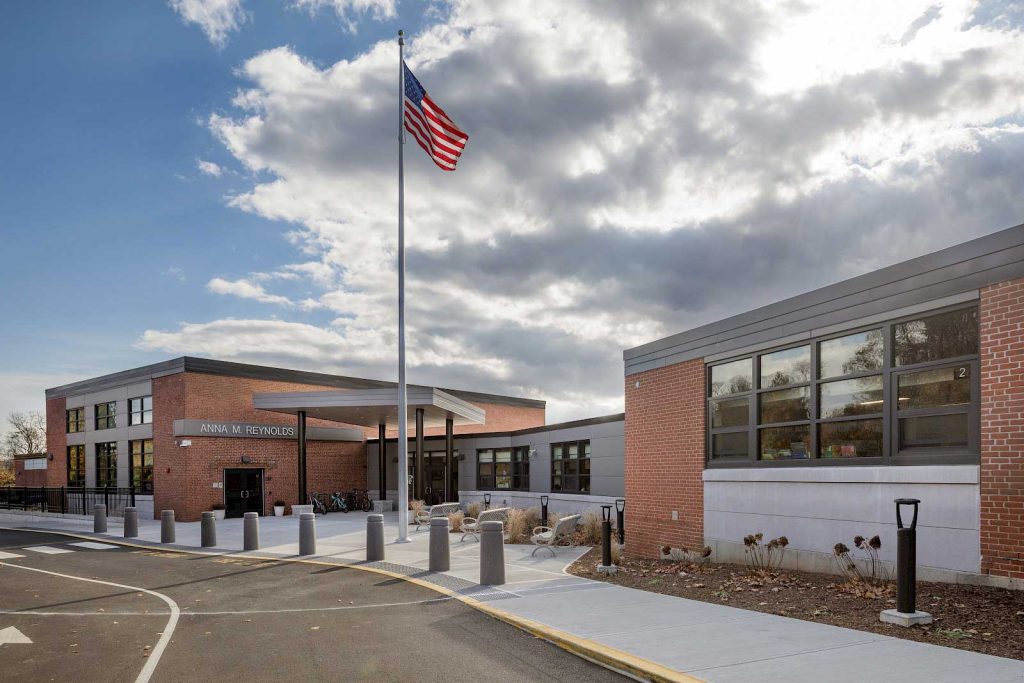
School safety is increasingly shaping the design and specification of educational facilities. Over the past two decades, requirements have expanded beyond accidental injury prevention and basic security to address deliberate threats that often begin at glazed openings. As school districts and universities reassess campus risk, glazing remains both a defining architectural feature and a potential vulnerability. The transparency supporting daylighting and passive supervision can also create opportunities for forced entry when assemblies are not engineered for it.
This shift extends beyond kindergarten to Grade 12 facilities. Universities face similar exposure across housing, administrative buildings, libraries, and other high-traffic spaces. Incidents may include after-hours break-ins, vandalism, or targeted violence, and in many cases, the initial breach occurs at a window or door assembly. As a result, glazing performance now plays a larger role in security planning.
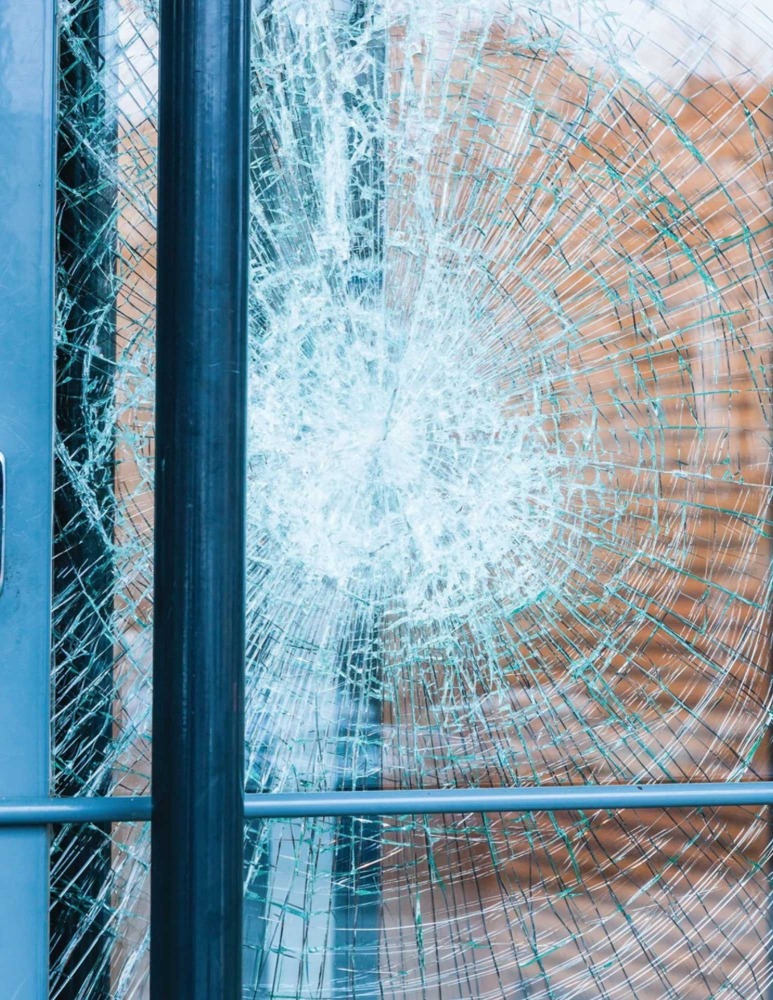
Glass continues to provide architectural value, bringing daylight into interior spaces and maintaining visual openness. However, under deliberate impact, conventional glazing fractures quickly and can allow immediate access once breached. For design teams and specifiers, the focus has shifted beyond glass type to the complete assembly’s performance under forced-entry conditions.
Security glazing is intended to delay intrusion long enough for lockdown procedures to activate and for first responders to respond. In incidents that unfold rapidly, glazing performance is often measured in seconds.
Limits of life-safety glazing
Most glazing installed in educational facilities complies with the impact safety requirements of ANSI Z97.1, Safety Glazing Materials Used in Buildings, and 16 CFR 1201, Safety Standard for Architectural Glazing Materials, of the Consumer Product Safety Commission (CPSC). These standards were developed to reduce the risk of injury from accidental human contact. Tempered glass fractures into small, relatively blunt fragments, while laminated glass retains shards on its interlayer. Both perform well in environments where the goal is to limit injury when glass breaks unintentionally.
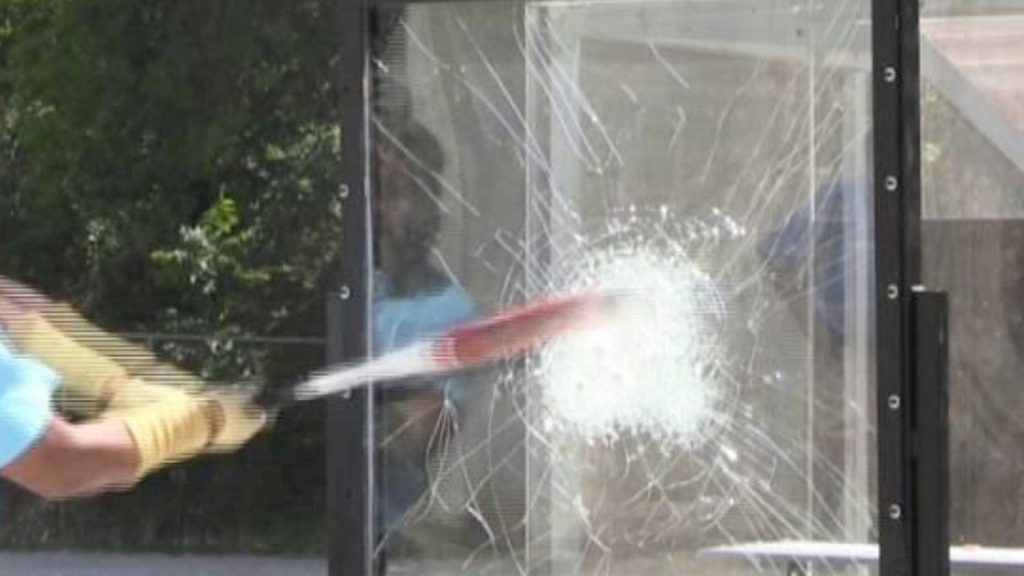
These standards, however, do not evaluate performance under deliberate, repeated impact. A lite that meets ANSI Z97.1 may still fail quickly when struck with a blunt object. Life-safety laminates are engineered to retain fragments and limit fallout, but they are not designed to withstand the stretching and displacement that occur during a forced-entry attempt. Under sustained impact, the interlayer can stretch, allowing the fractured laminate to bow inward. If the frame does not provide adequate retention, the assembly can be pushed out even when the interlayer remains intact.
Life-safety glazing protects occupants from broken glass. Security glazing is intended to delay intrusion. The two serve different functions, and compliance with impact safety standards alone does not provide forced-entry resistance.
Assembly behavior under forced-entry conditions
Forced-entry resistance depends on how the entire assembly performs under stress. The glass, interlayer, frame, anchorage, and surrounding construction respond together, and failure typically develops through gradual displacement rather than a single break.
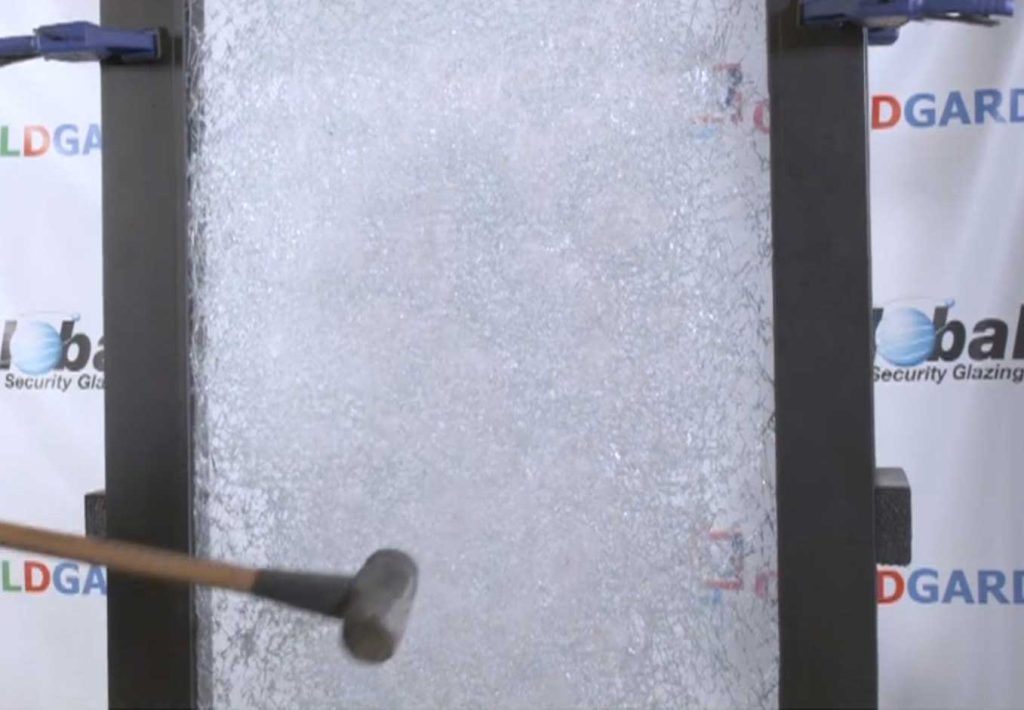
When laminated glazing is struck repeatedly, cracks form at the point of impact and spread outward with each blow. As damage accumulates, the glass plies lose their ability to carry load, and the interlayer becomes the primary barrier. Its ability to remain bonded to the fractured glass and resist tearing determines whether the assembly continues to function. If the interlayer stretches beyond its capacity, the fractured laminate can bow inward, creating an opening large enough to reach the lock or manipulate the door.
Frame retention often becomes the deciding factor. Shallow glazing pockets, loosened beads, or frame deflection under repeated impact can allow the fractured laminate to shift or be pushed through the opening, even if the interlayer remains intact. Anchorage is equally important. Fasteners must resist pull-out and leverage at the frame during an attack, and the surrounding substrate must remain stable under repeated loading. If the wall or framing system yields, the entire assembly can displace even if the glazing’s remaining strength holds.
Evaluating forced-entry resistance at the assembly level provides a more realistic measure of performance than material-only testing. A strong laminate installed in a flexible frame may fail, and a reinforced frame cannot compensate for inadequate glass construction. Security performance depends on the system as a whole.
Failure modes in doors, sidelights, and ground-level windows
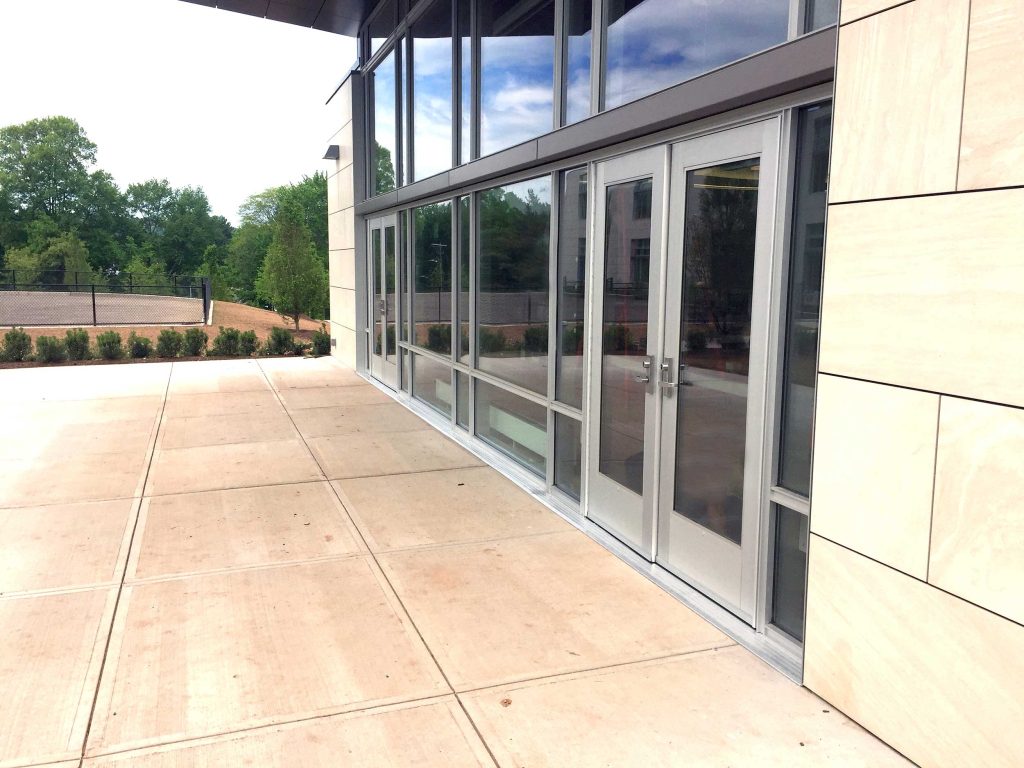
Forced-entry events often begin at accessible openings, including door vision panels, sidelights near locks or latching mechanisms, and ground-level windows. These locations provide direct access to door hardware or locking components or allow an intruder to step through once the glazing is displaced.
Door vision panels are often the weakest part of a door assembly. Repeated impact can cause the door skin to flex around the vision opening, altering the glazing pocket. As the pocket distorts, the compression that restrains the laminate is reduced, allowing fractured plies to shift. If the lite kit lacks rigidity, one edge of the pocket may open slightly, allowing the interlayer to move toward the direction of impact. As deformation progresses, adhesion and tear resistance become the primary factors preventing the laminate from folding inward.
Sidelights next to door locks present similar risks. A breach in this area allows direct access to the lock. The frame must maintain retention under repeated impact, and anchorage must resist pull-out and leverage during an attack.
Ground-level windows are also frequent targets. Many school entrances and first-floor facades use aluminum storefront or curtain wall framing, which may not include reinforcement for sustained impact. Vertical and horizontal framing members in storefront and curtain wall systems, also known as mullions, can bend or deform under concentrated impact, reducing retention and allowing the fractured laminate to displace. Curtain wall assemblies are engineered for environmental loads, not forced entry, and their anchors may not withstand repeated impact. Security measures should be incorporated into the system design rather than added later.
Recognizing these patterns helps specifiers determine where higher-performance glazing is appropriate. Door vision panels, sidelights, and ground-level windows are often the first areas to evaluate, particularly where rapid access could place occupants at risk.
Forced-entry and multi-threat testing
Security glazing is evaluated through several established test methods, each addressing a different threat condition. These tests measure how the complete assembly performs under defined loading sequences.
- Forced-entry testing (ASTM F1233, Standard Test Method for Security Glazing Materials and Systems, UL 972, Standard for Safety for Burglary Resisting Glazing Materials)—these standards use repeated impacts with specified tools to simulate intrusion attempts. The goal is to limit the size of any opening created during the test sequence. Performance depends on how the glazing, frame, and anchorage respond together under escalating attack.
- Ballistic testing (UL 752, Standard for Bullet-Resisting Equipment, NIJ 0108.01, Ballistic Resistant Protective Materials)—ballistic standards classify glazing by its ability to stop bullets from specific firearms and ammunition types. Ratings are based on caliber, shot placement, and number of rounds. However, ballistic resistance alone does not ensure forced-entry resistance. A panel that stops a projectile but dislodges from the frame may not perform adequately in the field.
- Blast testing (ASTM F1642, Standard Test Method for Glazing and Glazing Systems Subject to Airblast Loadings)—blast testing evaluates how glazing assemblies respond to explosive pressure waves. The primary concern is glass fragmentation and debris hazards. Laminated constructions and reinforced framing are used to reduce the risk of hazardous fallout into occupied spaces.
Some laboratories use more aggressive protocols that go beyond minimum industry standards, employing escalating tool attacks to estimate real intrusion conditions better. These evaluations reinforce the importance of assessing assembly-level performance rather than relying on material-only testing.
Each method isolates a specific threat, but real-world performance depends on how the entire system responds under load.
Key considerations for specifying security glazing |
Specifier checklist
Performance insights
|
Material categories and system performance
Security glazing is not a single product, but a category of assemblies designed to resist defined threats. Common options include:
- Laminated security glass—constructed by bonding multiple layers of glass with interlayers that remain adhered under impact. When struck, the glass may fracture, but the interlayer holds fragments in place and continues to act as a barrier. Some systems are specifically engineered and tested for forced-entry resistance.
- Glass-clad polycarbonate—a hybrid assembly combining exterior glass with interior polycarbonate layers. The glass surface provides scratch resistance and weather durability, while the polycarbonate absorbs impact energy. These systems are often specified where both ballistic and forced-entry resistance are required.
- Polycarbonate panels—solid, high-strength plastic sheets that resist shattering and absorb high-energy impact. Polycarbonate alone is not bullet-resistant unless incorporated into a tested ballistic assembly. It is lighter than glass but more susceptible to scratching and long-term discoloration without UV protection.
- Window security films—polyester-based films are applied to existing glazing to improve fragment retention. Films do not prevent breakage but can delay intrusion and reduce fallout. Some systems include mechanical anchoring to improve retention. Film is often used for budget-conscious retrofits, but it is not a substitute for tested security glazing systems.
Selecting the appropriate glazing system depends on the defined threat. Laminated assemblies are commonly specified for forced-entry resistance in educational facilities, while ballistic-rated systems may be required where firearm threats are identified. Glass-clad polycarbonate assemblies provide combined impact and ballistic resistance in higher-risk areas. Retrofit measures can improve delay performance, but should not be assumed to be equivalent to fully tested systems.
Regardless of material selection, performance needs to be evaluated at the assembly level to confirm how the system responds under load.
Design integration in educational facilities
Designing with security glazing balances protection, visibility, and function. Educational facilities need to provide secure environments without compromising the learning atmosphere. Security glazing allows teams to improve intrusion resistance while preserving transparency.
Secure entry vestibules are a common component of school security strategies. These spaces create controlled transition points between public and private areas. Visitors are screened before gaining access to classrooms or administrative offices. Vestibules typically use a sequence of doors where the first set closes and locks before the second set opens. Glazing in these areas must maintain visibility while resisting forced entry. Laminated glass tested to forced-entry standards is commonly specified. In districts with elevated threat concerns, ballistic-rated assemblies may also be required.
Within the building, classroom door vision panels and interior sidelights require similar attention. These openings can provide access to locks or latching mechanisms during an emergency. Laminated security glass is often specified to delay intrusion while maintaining sightlines for supervision. Some assemblies meet both forced-entry and ballistic standards, providing additional protection without compromising transparency. Glazing in instructional spaces should also support operational needs, including visual monitoring and lockdown procedures.
Ground-level glazing remains a primary concern. Entryways, classrooms, administrative offices, libraries, cafeterias, and nurse stations on the first floor are frequently reviewed during security assessments. Laminated glass with tested interlayers can increase delay time, but performance depends on proper anchorage into structural components to resist displacement.
Retrofit conditions present additional constraints. Many existing buildings were not designed with forced-entry resistance in mind. Polycarbonate shields, surface-mounted framing, and window films may improve performance without full replacement. These measures are often interim solutions. Where feasible, upgrades should include fully tested glazing systems designed to meet defined threat criteria.
Cost, funding, and performance expectations
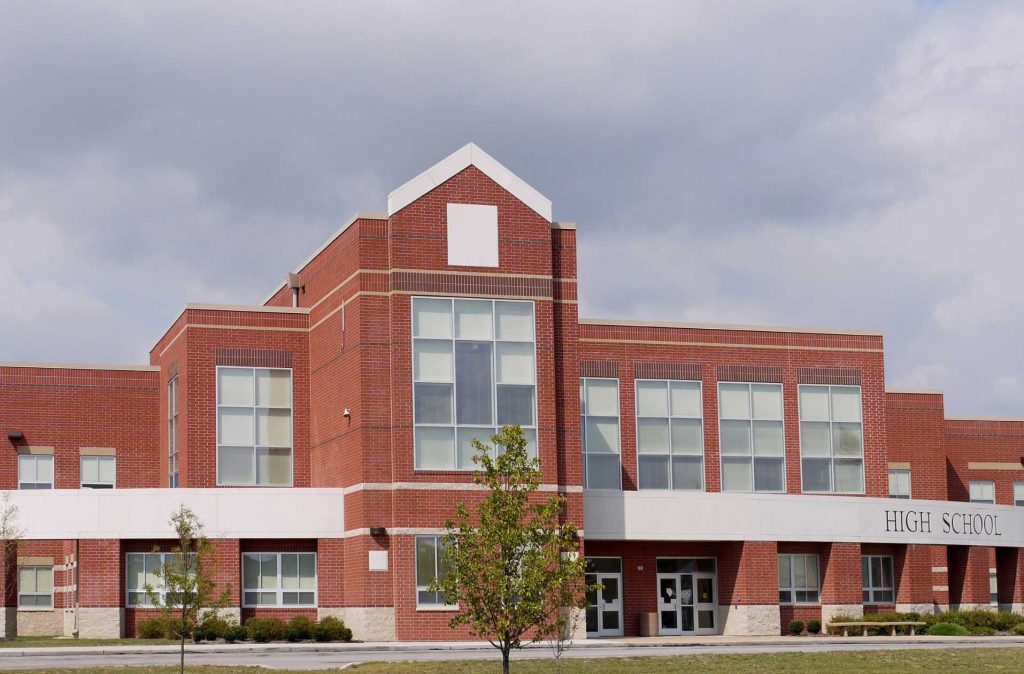
Security glazing typically carries a higher initial cost than standard glazing, but the value lies in the time it provides during an emergency. Even a short delay can allow staff to initiate lockdown procedures and contact emergency services. More durable systems can also reduce vandalism, damage, and long-term repair costs.
State and federal programs may help offset upgrade costs. Many jurisdictions offer grants for school safety improvements, and projects aligned with recognized standards are more likely to qualify for funding.
Value engineering requires careful review. Reducing interlayer thickness, substituting weaker framing components, or eliminating anchorage details can undermine system performance. Substitutions should be evaluated against the intended threat level, and supporting test data should be reviewed before approval.
Security glazing should be incorporated into the overall safety strategy rather than treated as an add-on. When properly specified and integrated, it can delay intrusion during an emergency while maintaining visibility.
Key Takeaways
Security glazing plays a vital role in school safety planning, as forced-entry threats often target vision panels, sidelights, and ground-level windows. True protection depends on how the complete assembly—glass, interlayer, frame, and anchorage—performs under attack. Testing to forced-entry standards ensures glazing not only delays intrusion but also supports visibility and daily function in educational environments.
Author

Derek Hubert is the architectural development manager for Isoclima Specialty Glass LLC and a previous account manager for CHILDGARD, a laminated security glazing system developed for U.S. K-12 educational environments. With more than a decade of experience in architectural consulting, specification development, and B2B sales, Hubert works with architects, designers, and industry partners to support the specification and integration of security glazing systems. He provides design assistance, manages product specifications, and collaborates with project teams throughout the design and construction process.
Sign up for our weekly newsletter
Architectural materials and methods delivered right to your inbox

- CSI News & Notes: CSI’s impact earns official recognition; celebrate leaders, mentors, and innovators; and more
- CSI News and Notes: CSI spring certification exams open; scholarships available; and more
- CSI News & Notes: CSI MSR heading to San Diego; spring certification exams open; and more
- To Be Specific: Why CDT Should Be Your First Move
- CSI News & Notes: CSI Fellows share member benefits; and a New Year’s Resolution to keep
Products

Read the Latest Issue