
A practical guide to AAMA 501.2
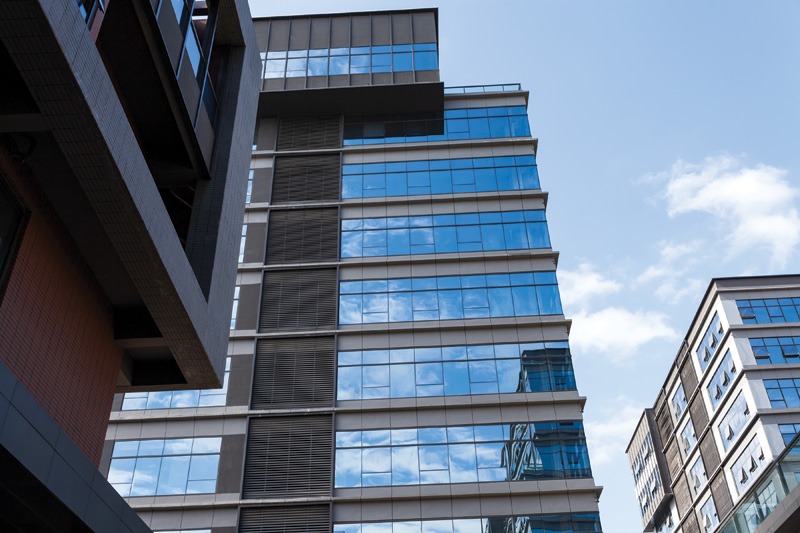
The Fenestration and Glazing Industry Alliance’s (FGIA’s) AAMA 501.2, Quality Assurance and Diagnostic Water Leakage Field Check of Installed Storefronts, Curtain Walls and Sloped Glazing Systems, provides quality assurance and diagnostic field water check method for installed storefronts, curtain walls, and sloped glazing systems. It helps specifiers ensure testing is conducted efficiently and consistently by providing guidelines for selecting field test specimens and the test procedures to be used for field water penetration checks. It also details the minimum contents that testing agencies or laboratories should expect to be included in test reports.
The field check is intended to evaluate the performance of joints, gaskets, and sealants in fenestration products that are designed to remain permanently closed, watertight, and are not sealed using weatherstrip or weatherseals. This includes a wide variety of products, such as curtain walls, storefronts, sloped glazing, fixed windows and doors without a sash or panel, fixed unit skylights without weatherstrip/weatherseals, wall panels, perimeter sealants, and air and water barriers’ integration with the fenestration product. Field checks are important to prove the performance of the components of a building and to identify areas of weakness. Performing field checks can be useful as part of a quality assurance program during building construction or during commissioning. The results of these field checks can identify remedial work and additional items to be included in the punch list for spot-checking throughout continued building construction.
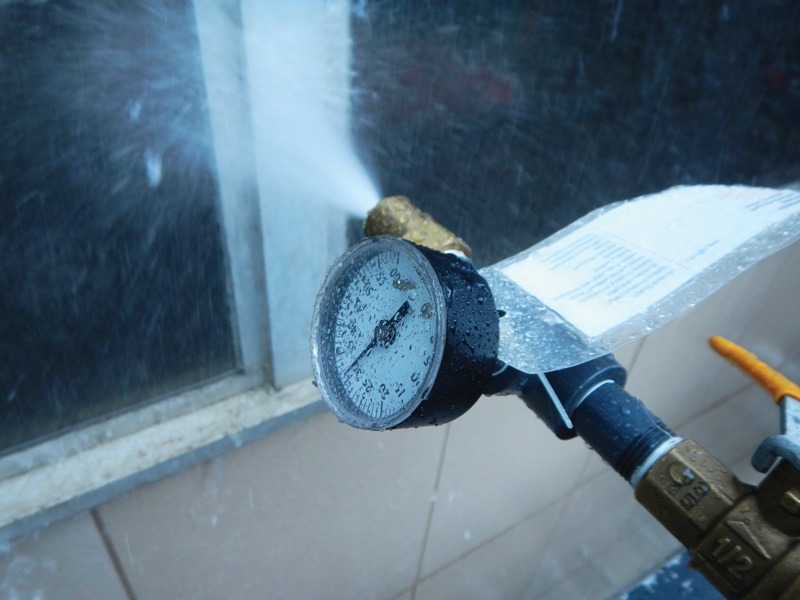
at the nozzle. Photo by Christopher Grey/courtesy Simpson Gumpertz & Heger
AAMA 501.2 is not the appropriate test protocol to be used to test operable fenestration products (e.g. fixed windows and doors with a sash or panel, entrance systems, integral ventilating systems/devices, and operable unit skylights and roof windows). For those products, it is advisable to refer to AAMA 502, Voluntary Specification for Field Testing of Newly Installed Fenestration Products, which was developed to test the air leakage resistance and water penetration resistance of newly installed operable windows and doors. To test the impact of air leakage resistance and water penetration resistance for storefronts, curtain walls, and sloped glazing, specifiers should refer to AAMA 503, the Voluntary Specification for Field Testing of Newly Installed Storefronts, Curtain Walls, and Sloped Glazing Systems.
Remember that once a building has been occupied, AAMA 511, Voluntary Guideline for Forensic Water Penetration Testing of Fenestration Products, should be used for forensic water penetration testing of fenestration products. Once walls have been completed, more testing may be required to identify the source of issues, and the entire structure needs to be understood before testing is performed.
Test area preparation
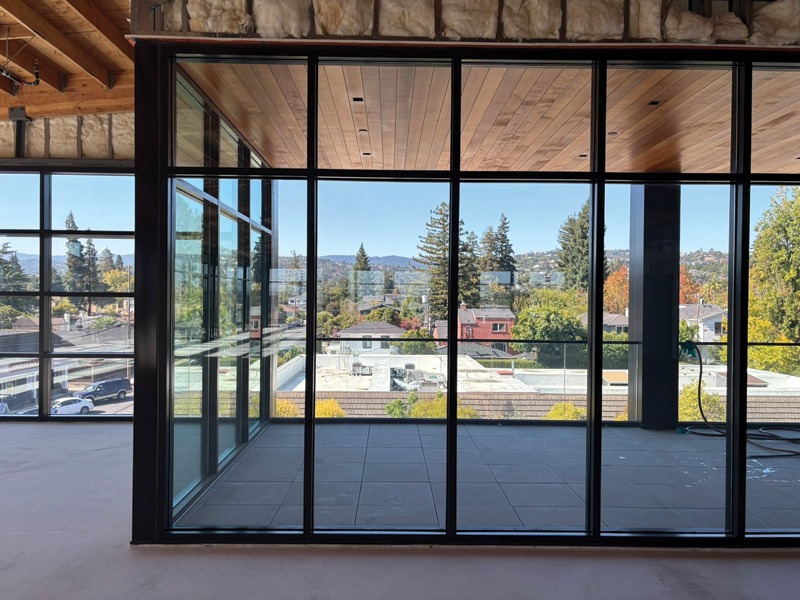
It is important to determine the test specimen before conducting the actual test. AAMA 501.2 recommends using fully glazed units as specimens. They must be located on two typical floors of the building for testing curtain walls and on a typical floor for storefront or sloped glazing systems. For a curtain wall, testing is conducted across two floors to better reflect joint types.
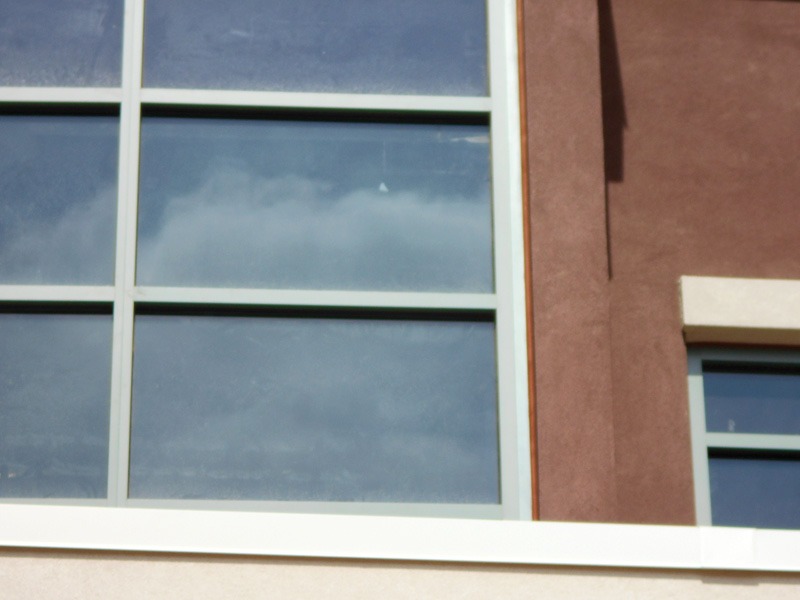
The test area should be a representative sample of the whole building’s construction and should not have any outstanding punch list items or other visible defects. One should ensure the test area includes perimeter sealant, typical splices, frame intersections, and at least two vision lites and spandrel lites containing intermediate vertical and horizontal members.
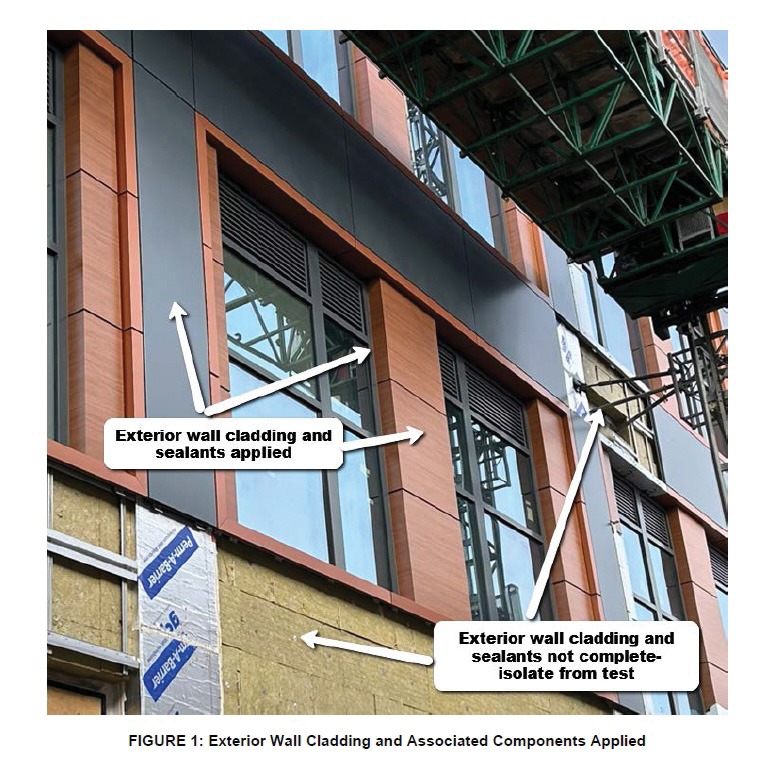
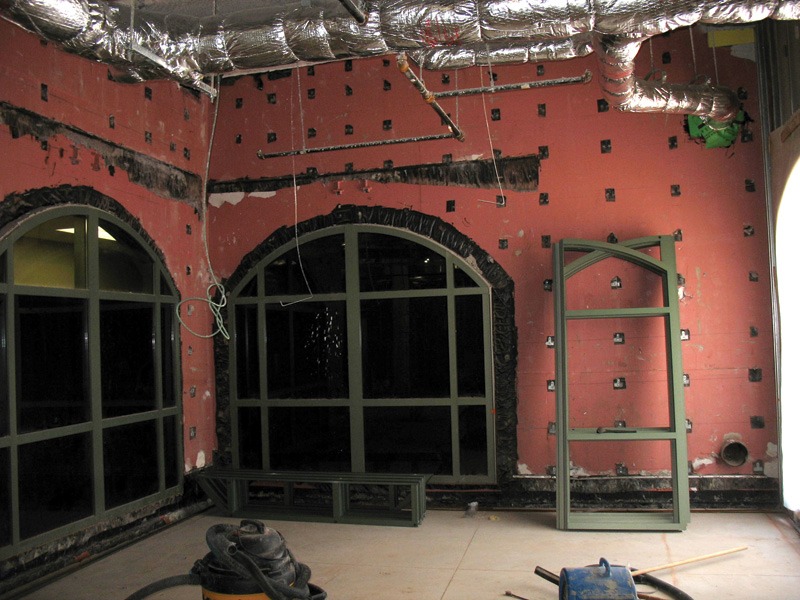
Testing must be performed as soon as the curtain wall is installed and sealants are cured, but before the drywall or other interior finishes are applied. On the exterior, allowing sealants to dry prevents water pressure from displacing installed sealant, while on the interior, this allows for better visual inspection of the test area without removing and reinstalling interior finishes.
The specimen should be protected from extreme ambient conditions, such as high winds, rapid barometric pressure changes, heavy rain, and severe temperature changes, as these conditions can adversely affect the quality of field testing. If testing is performed under extreme environmental conditions due to unavoidable circumstances, this information should be included in the report.
Checking quality with the AAMA 501 series of standards
Apart from FGIA’s AAMA 501.2, Quality Assurance and Diagnostic Water Leakage Field Check of Installed Storefronts, Curtain Walls and Sloped Glazing Systems, test method, FGIA has published several documents in the 501 series to help building professionals with their quality checks.
AAMA 501, Methods of Test for Exterior Walls
This document provides detailed guidelines on laboratory and field test specifications for metal curtain walls. It includes performance characteristics of curtain walls, instructions on selecting test specimens and apparatus, and test methods as well as best practices.
AAMA 501.1, Standard Test Method for Exterior Windows, Curtain Walls and Doors for Water Penetration Using Dynamic Pressure
This standard establishes the equipment and procedures building professionals need to follow when using dynamic pressure to test exterior windows, curtain walls, and doors for water penetration.
AAMA 501.5, Test Method for Serviceability of Exterior Fenestration After Thermal Cycling
This test method provides a standard laboratory procedure building professionals can use to evaluate the permanent damage of thermal cycling on large fenestration components and cladding.
AAMA 501.4, Recommended Static Testing Method for Evaluating Curtain Wall and Storefront Systems Subjected to Seismic and Wind Induced Interstory Drift
This test method provides a means to evaluate the performance of curtain wall and storefront wall systems when subjected to horizontal displacements. The method is not intended to test dynamic, torsional, or vertical movements. For that, one should refer to AAMA 501.6, Recommended Dynamic Test Method for Determining the Seismic Drift Causing Glass Fallout from a Wall System.
AAMA 501.6, Recommended Dynamic Test Method for Determining the Seismic Drift Causing Glass Fallout from a Wall System
AAMA 501.6 focuses on changes in the serviceability of wall systems (e.g., air and water leakage rates) resulting from racking displacements. This test method is suitable for large curtain walls and storefront mock-ups. This test method describes the apparatus and procedure for horizontally displacing a specimen. Building professionals must have a good understanding of static load applications, deflection measurements, and test fixture design to successfully apply this test.
AAMA 501.7, Recommended Static Test Method for Evaluating Windows, Window Wall, Curtain Wall and Storefront Systems Subjected to Vertical Inter-Story Movements
A complement to AAMA 501.4, this test method provides detailed guidelines for evaluating the performance of windows, window walls, curtain walls, and storefront wall systems subjected to vertical displacements.
AAMA 501.8, Standard Test Method for Determination of Resistance to Human Impact of Window Systems Intended for Use in Behavioral Care Applications
This document provides a standard laboratory procedure for evaluating human impacts on window systems to be installed in behavioral care hospitals and facilities, as well as in other occupancies with similar concerns.
This test method uses a weighted impact device to apply force to simulate patients hurling themselves into window assemblies. This test method evaluates the effectiveness of the window system to resist such impacts. Caution is advised when applying test results to “in-service” conditions, as other variables, such as maintenance, are not accounted for by this test method.
AAMA 501.9, Surface Temperature Assessment for Condensation Evaluation of Exterior Wall Systems
This document provides a standard procedure for measuring surface temperatures when evaluating condensation in exterior wall systems under laboratory conditions. The assessment can be used to determine the potential for winter interior condensation.
Running the test
The testing agency needs the proper equipment and knowledge to run the test according to the procedure. Care needs to be taken to ensure there is a proper water supply and flow. The nozzle and hoses need to be sized to provide proper water flow. This includes taking precautions to control the water pressure at the nozzle.
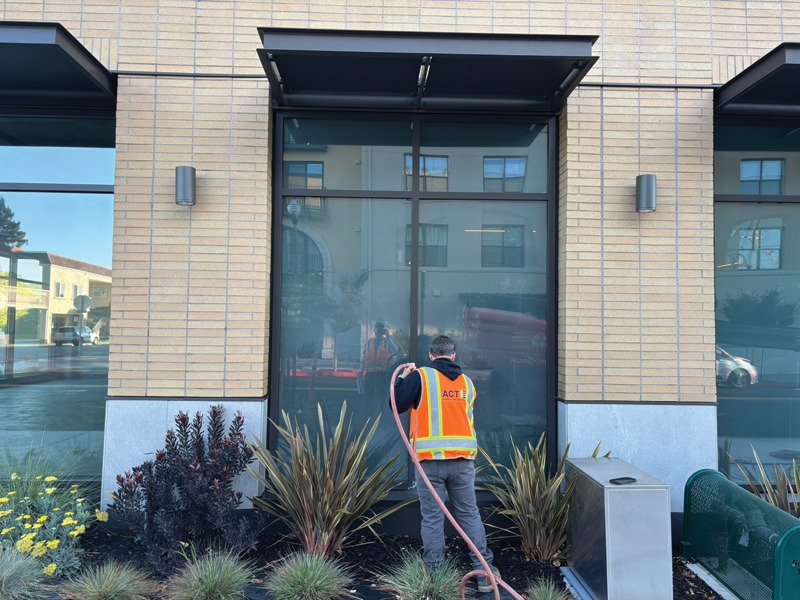
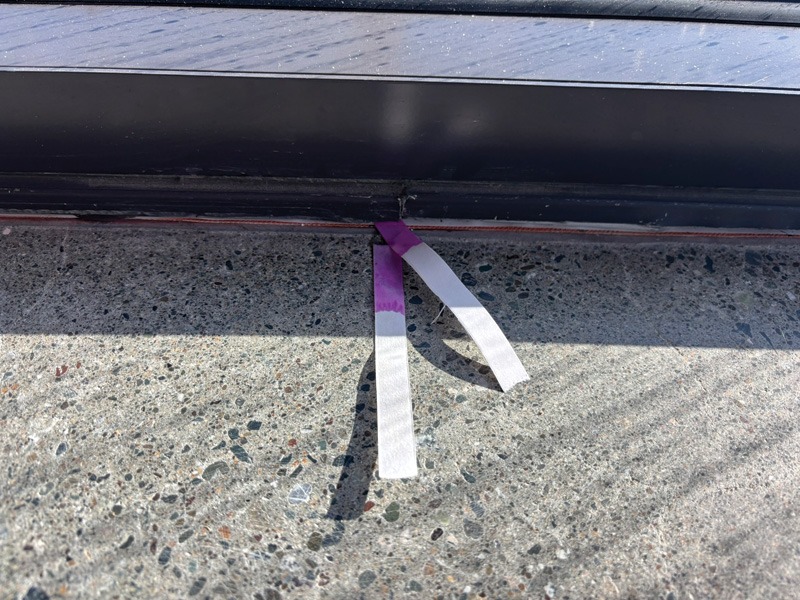
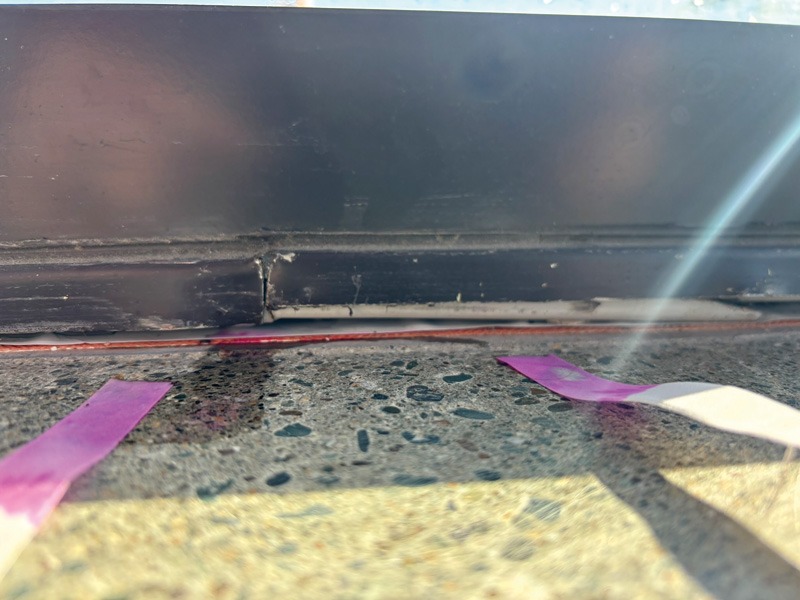
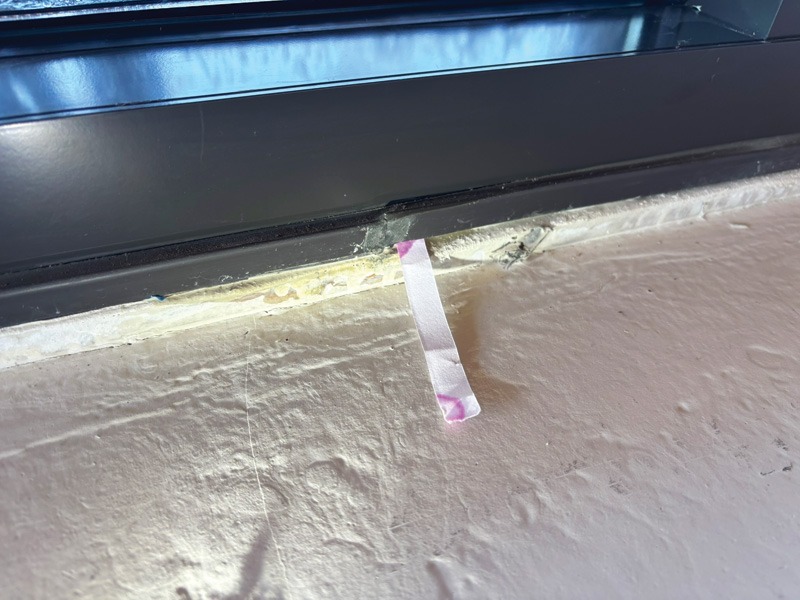
The test is intended to be run on portions of the test area at a time. This allows for better identification of any problem areas. The test is performed by wetting the exterior surface in 1.53 m (5 ft) sections. Each section is wetted for five minutes. The test is performed starting with the lowest framing member and moved to adjacent framing members. Sections are tested from lowest to highest, so any sources of leakage are more easily identified. While one person is wetting the exterior surface, a second person is on the inside watching for any water leakage. The observer may use appropriate tools, such as flashlights, mirrors, borescopes and water-sensitive paper to help detect any water leakage. The water leakage is noted at the location where it occurs.
Remember how water leakage is defined. Water leakage is uncontrolled water that is not contained or drained back to the exterior. Water contained within drained flashings, gutters, and sills is not considered leakage. The collection of up to 14.2 ml (0.5 oz) of water in a five-minute test period on top of an interior stop or stool integral to the system is also permitted under this test.
If water leakage occurs and the source cannot be identified, testing agencies will take additional steps to locate it. These additional steps and tests are needed to isolate the problem area to be addressed in the building. Care must be taken to ensure the exact source is located and remediation completed. Correcting at the source will help for a long-lasting resolution.
It is also advisable to randomly check for water leaks throughout the remainder of the project as construction progresses. Keep in mind that testing once may help identify a problem, but it is critical that random checks continue to ensure the remediation was correct and successful.
Final report
The final report should include information regarding the test that was performed. At a minimum, the test report should have the following information about the curtain wall specimen:
- Identification of the testing agency responsible for performing the work
- Information about the fenestration product that was tested, including, if available, manufacturer, model, dimensions, and materials
- Identification and locations of test specimens on the building
- Information about the building where the testing was conducted
- Any meteorological conditions that could have impacted the testing
- Physical condition of the curtain wall(s)
- A description of modifications, if any, made to the fenestration products
The report should include all results and any re-evaluations. It should also include a record of all points of water leakage, as well as a compliance statement indicating that the evaluations were conducted in accordance with AAMA 502.1. If there are deviations or meteorological conditions that could have impacted the testing, they must be highlighted in the report as well.
Successful use case
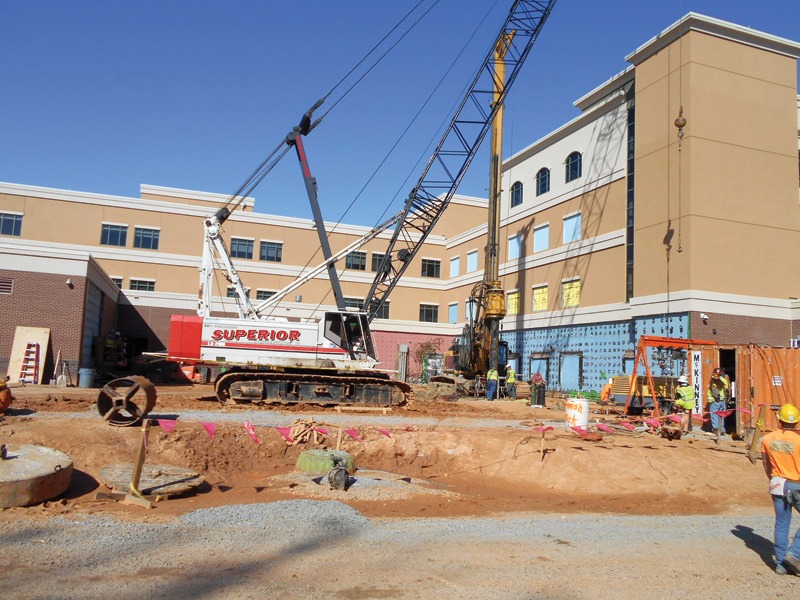
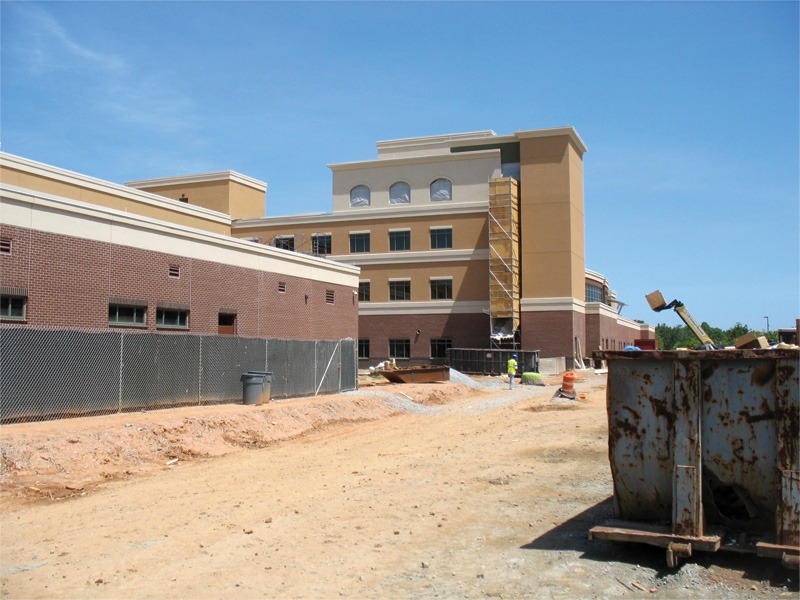
AAMA 501.2 was used during the construction of the City of Hope Cancer Center in Atlanta in 2022. This three-building complex includes a four-story clinic, a radiation center, and a surgery wing. This meant numerous tie-ins to existing structures, such as roofs, parapet walls, and expansion joints. Building professionals conducted water penetration testing in accordance with AAMA 501.2 to ensure compliance with contract documents, approved shop drawings, and industry standards as well as the highest standards of quality and performance for a critical healthcare facility offering fully integrated personalized cancer care services.
Conclusion
AAMA 501.2 is one of the most widely used field check methods for verifying the water leakage resistance performance of curtain walls. The test method gives specifiers, design professionals, contractors, and building owners the confidence that critical interfaces, sealants, and drainage paths are functioning correctly. The standard helps project teams reduce risk, improve long-term performance, and deliver curtain walls that meet design intent and occupant expectations. When used alongside related AAMA standards, the test methods help create a comprehensive quality assurance strategy, supporting durable, resilient, and well-integrated curtain wall systems.
Author

Rich Rinka is the Fenestration and Glazing Industry Alliance’s (FGIA’s) technical standards manager. He began his career with the association in 2012. Rinka oversees the development of fenestration standards and provides representation at other industry organizations’ meetings to help FGIA members stay informed. He can be reached via email at rrinka@fgiaonline.org.
Key Takeaways
AAMA 501.2 provides a standardized method for field water leakage testing of installed curtain walls and glazing systems, helping project teams verify performance, identify deficiencies early, and strengthen quality assurance during both construction and commissioning.
Sign up for our weekly newsletter
Architectural materials and methods delivered right to your inbox

- CSI News & Notes: CSI’s impact earns official recognition; celebrate leaders, mentors, and innovators; and more
- CSI News and Notes: CSI spring certification exams open; scholarships available; and more
- CSI News & Notes: CSI MSR heading to San Diego; spring certification exams open; and more
- To Be Specific: Why CDT Should Be Your First Move
- CSI News & Notes: CSI Fellows share member benefits; and a New Year’s Resolution to keep
Products

Read the Latest Issue